Nearby Essentials
No essentials listed yet.
Some listings may be paid partnerships.
Know a useful stop near this trail? Suggest a business
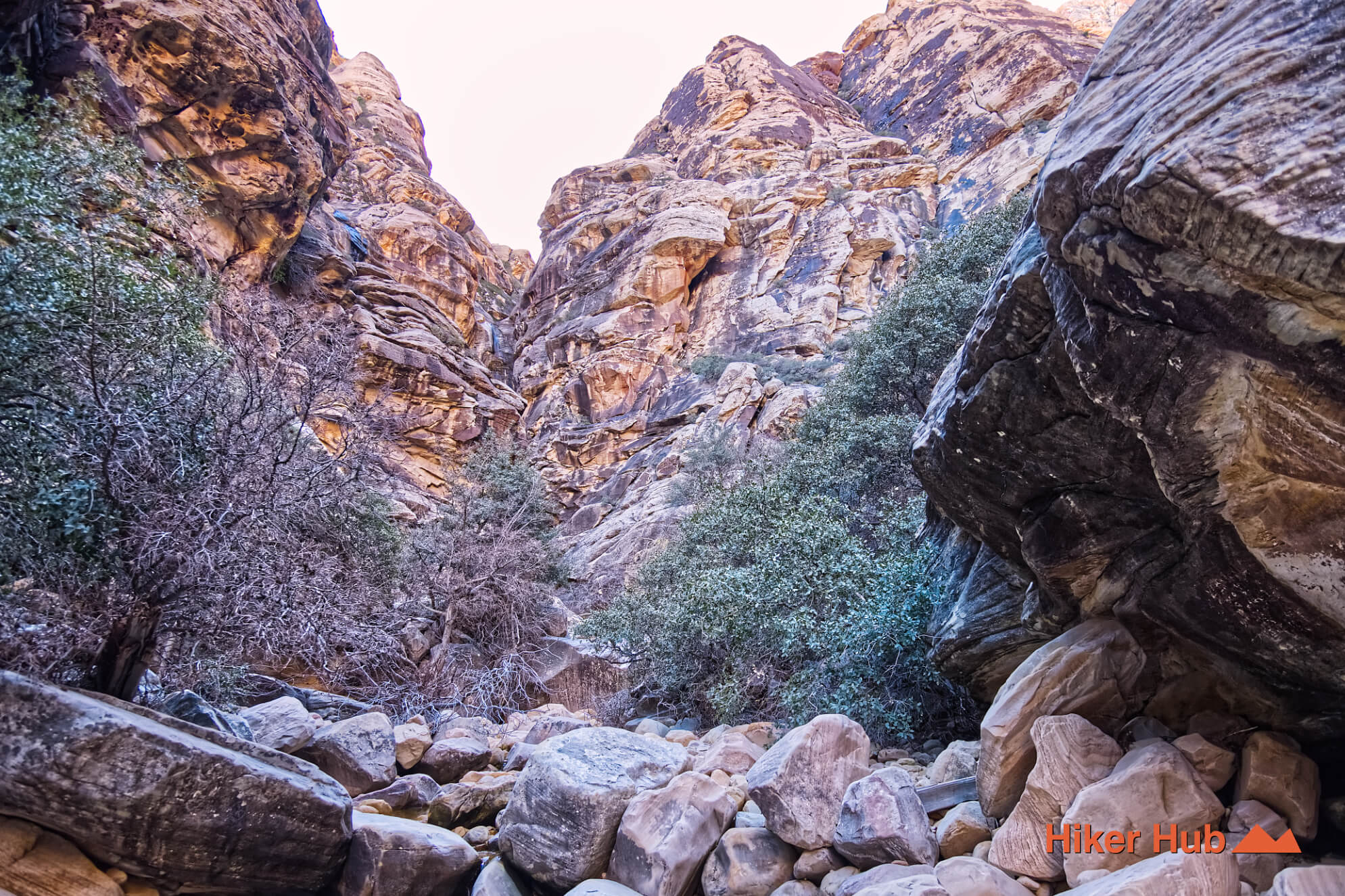
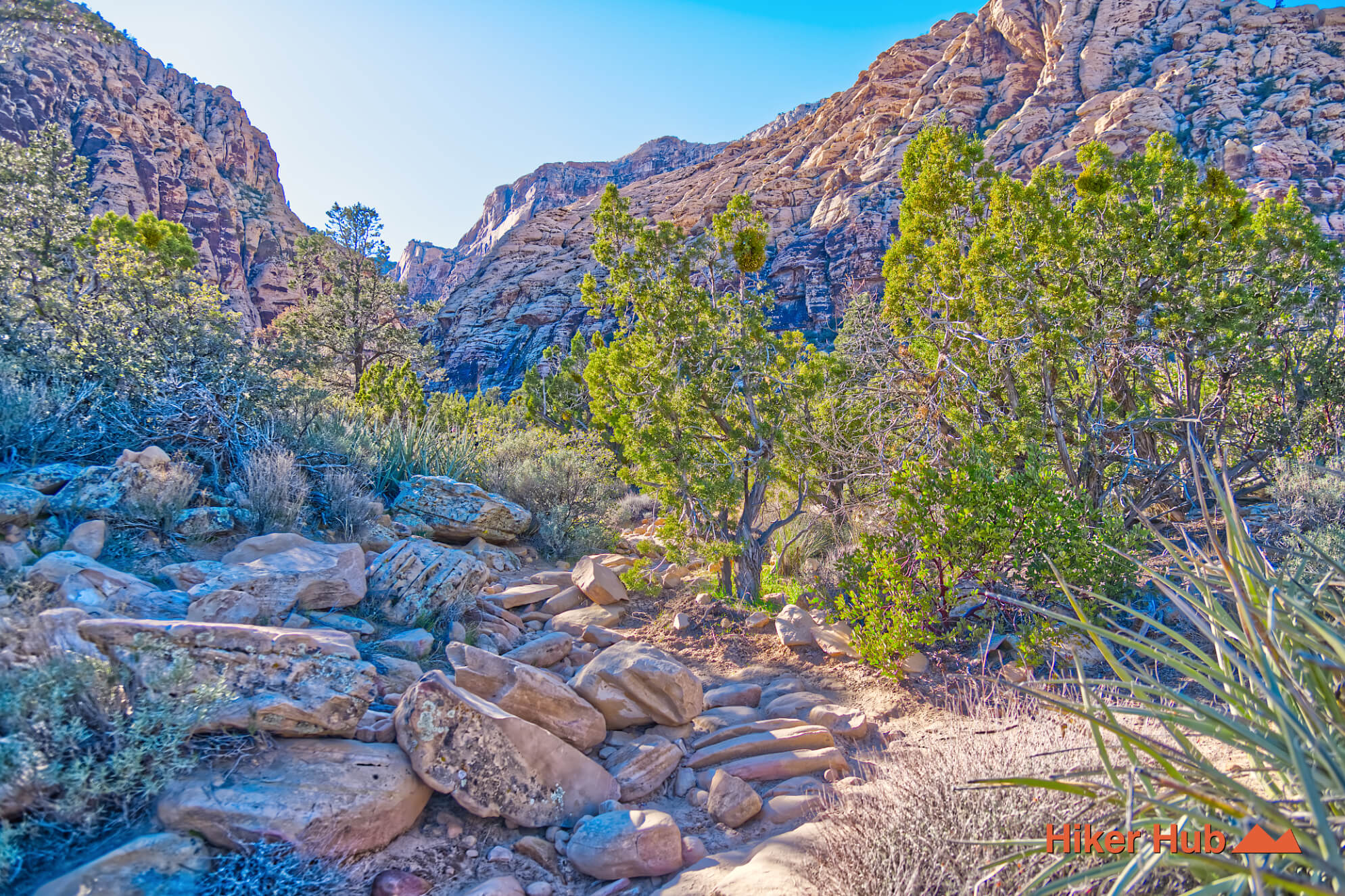
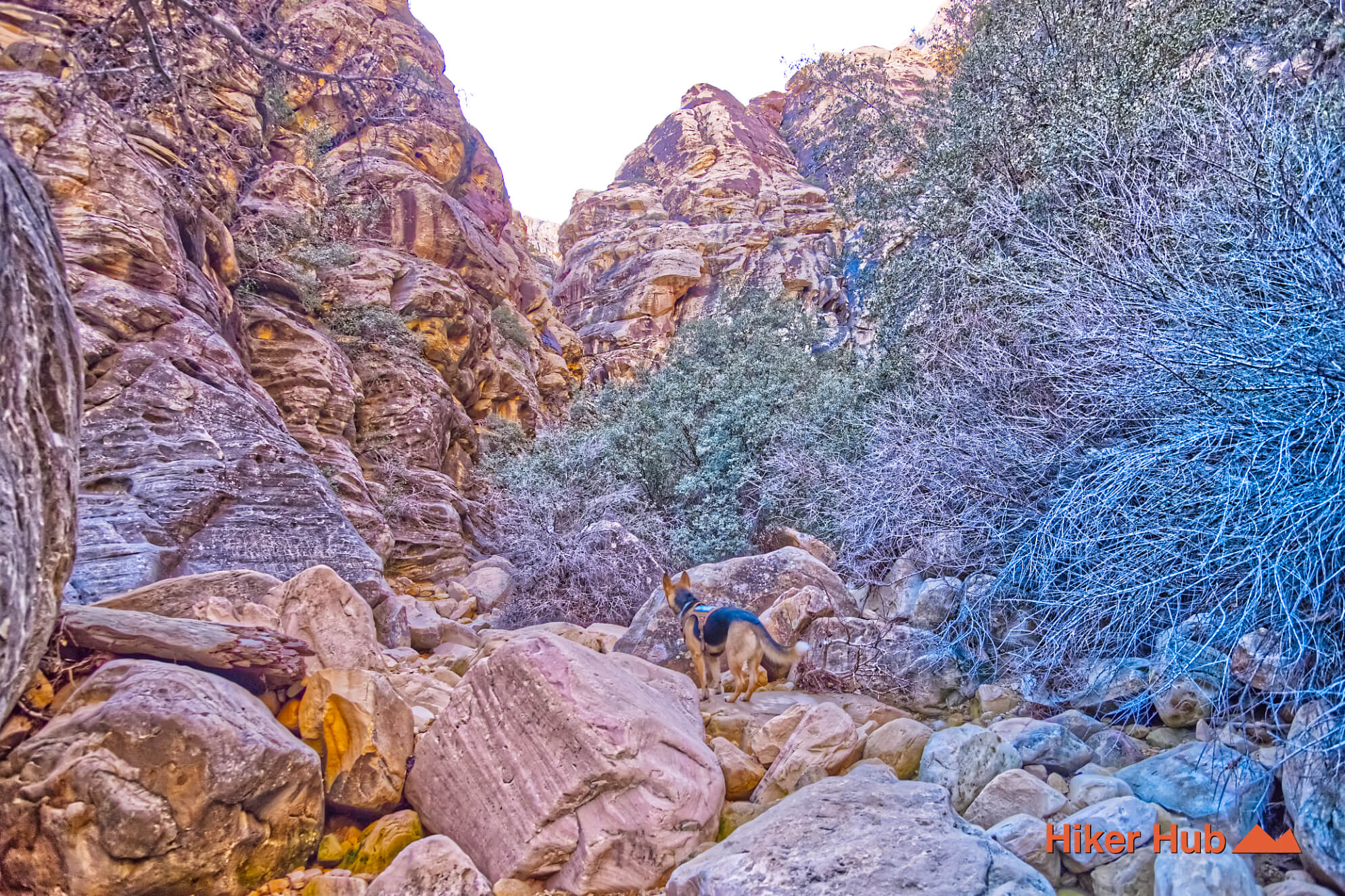
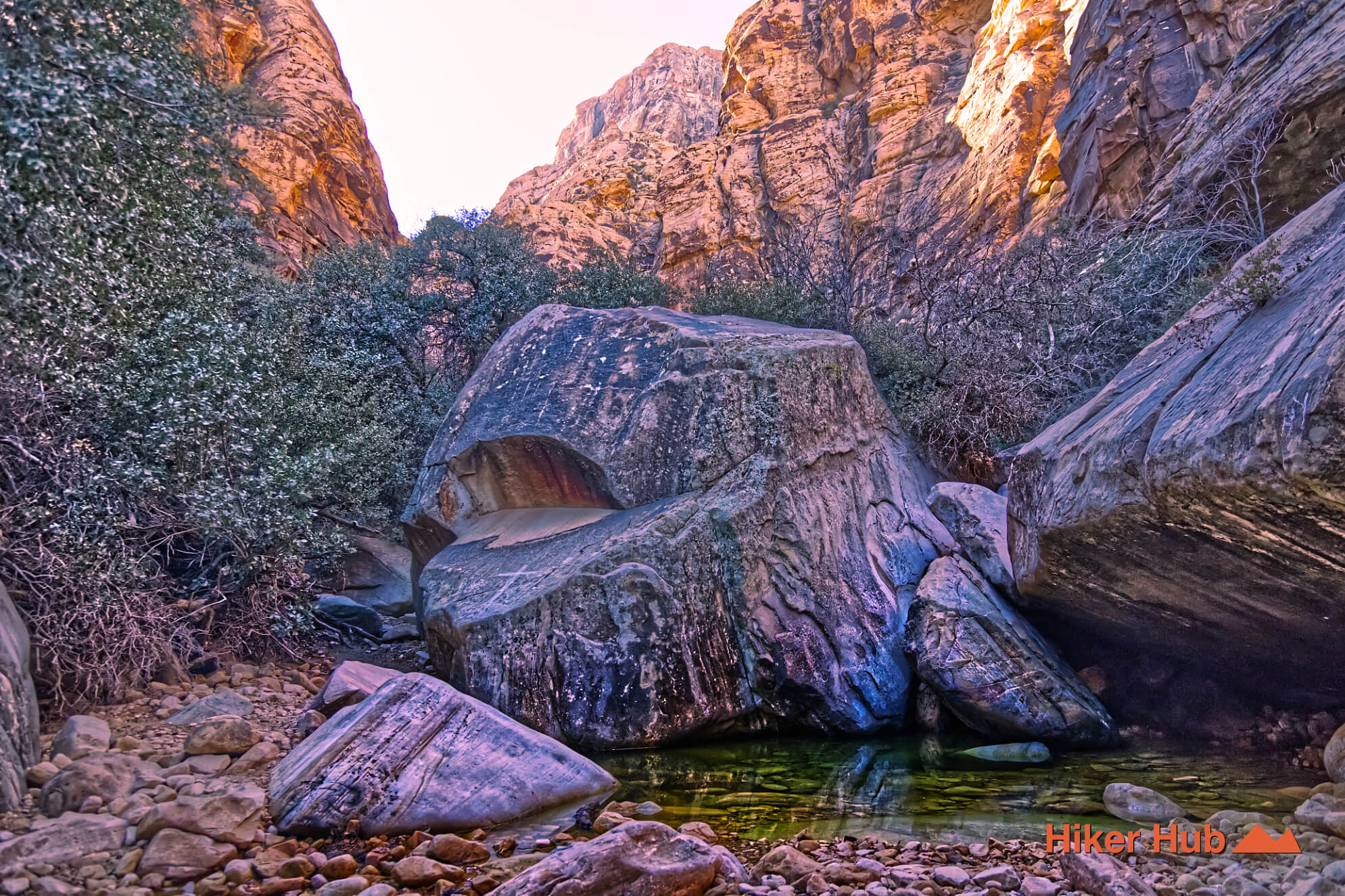
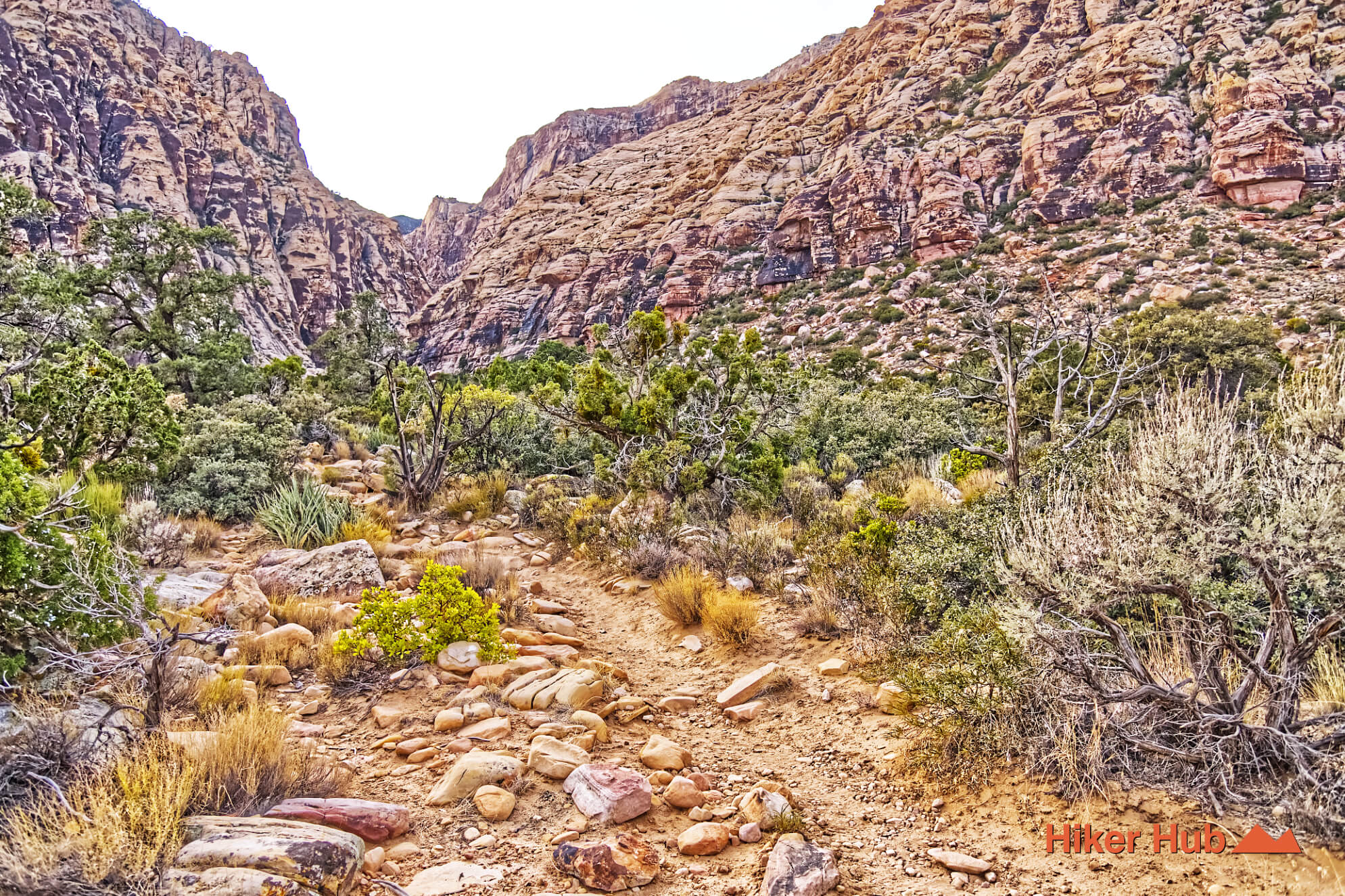
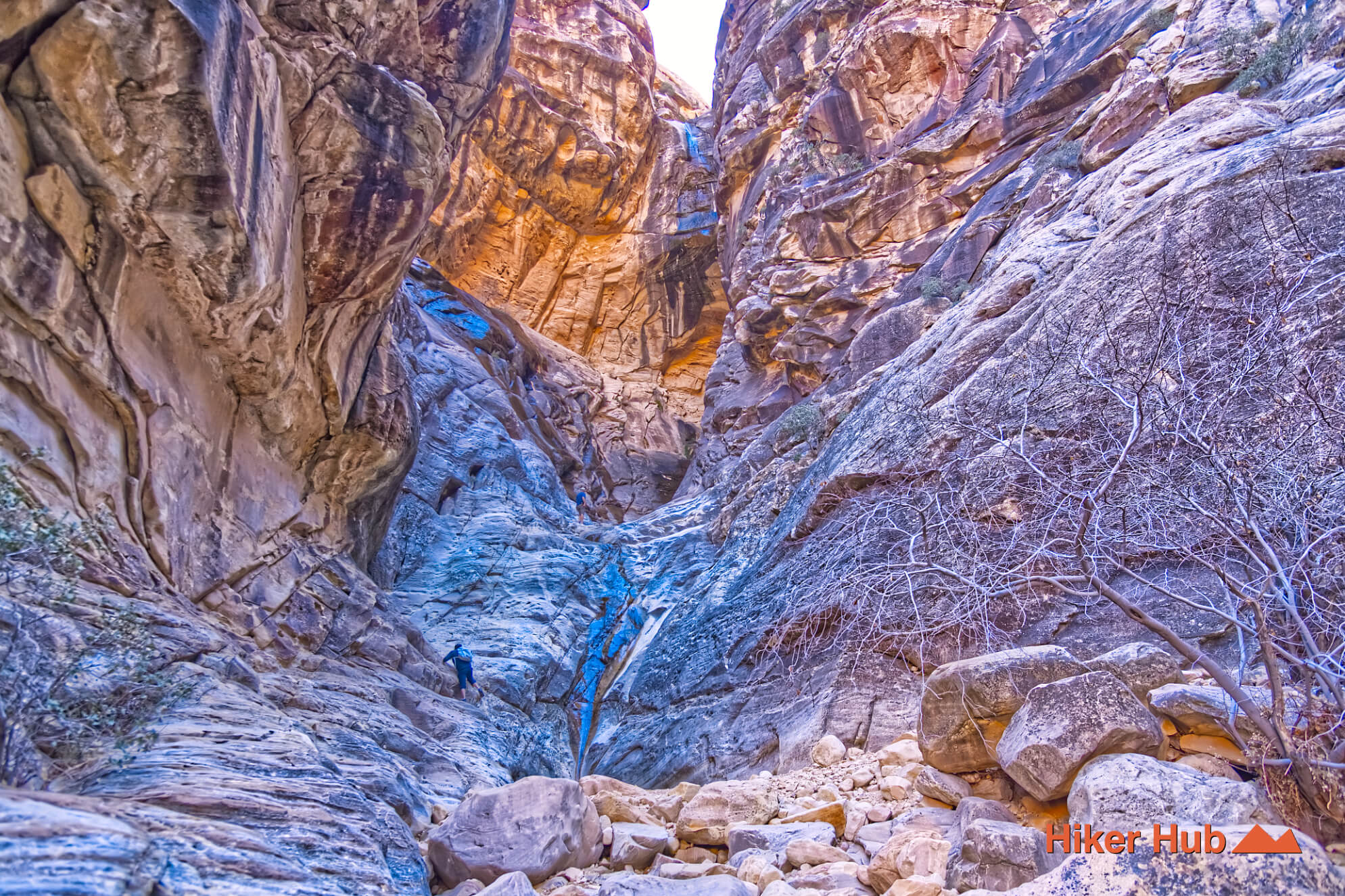
Ice Box Canyon is one of the most dramatic “temperature shift” hikes in Red Rock Canyon—an enclosed, boulder-filled corridor where the air turns cooler and the vegetation gets noticeably greener compared to the sun-baked terrain just outside the canyon walls.
Why “Ice Box” Canyons Feel Different
Ice Box Canyon is a great example of a broader regional pattern: “ice box” style canyons show up in many desert parks, not as a one-off oddity. The basic idea is simple—tight canyon geometry plus shade creates a microclimate. With less direct sun and slower airflow, temperatures stay lower, moisture lingers longer, and you’ll often find lusher vegetation and a slightly more humid feel than you’d expect in the open desert.
In places like this, it’s common to notice more condensation and dampness in shaded pockets, especially after storms or during cooler seasons. Even when the surrounding landscape feels dry and bright, the canyon interior can hold onto moisture and stay comfortable far longer into the day.
Formation, Collapse, and the Boulder Field
One way to think about an “ice box” canyon (and the landscape around it) is as a long-term story of water, rock, and collapse. Over long time spans, water flow can exploit fractures and weaker layers, gradually undercutting, widening, and reshaping the canyon. If sections of rock become unstable over time, parts can fail and collapse.
That collapse narrative helps explain the giant boulders that define Ice Box Canyon today. While the exact history of any single boulder is hard to prove from the ground, it’s reasonable to view the boulder field as the byproduct of repeated rockfall events—material breaking free from canyon walls and upper sections, then collecting where the canyon funnels everything into a confined corridor.
Black Streaks and Mineral Staining
The dark streaks you’ll see on select walls in the region are evident here too. These marks are often associated with mineral staining from water moving across the rock surface over time—leaching and depositing trace minerals that darken the stone. In desert environments, some dark coatings are also linked to desert varnish-type processes, where mineral-rich films build up gradually in places where water and chemistry repeatedly interact with the rock.
In Ice Box Canyon, those streaks pair perfectly with the canyon’s cooler interior: the geology and the microclimate are connected by the same long-running driver—water, acting slowly, repeatedly, and relentlessly across seasons and time.
Slug: ice-box-canyon-red-rock-canyon. Keywords: Ice Box Canyon Red Rock Canyon, ice box canyon hike, Red Rock Canyon microclimate, desert varnish, mineral staining, boulder field.
Last updated: February 6, 2026