Nearby Essentials

No essentials listed yet.

    Some listings may be paid partnerships.

    Know a useful stop near this trail? Suggest a business

    Common Questions

    Distance:
    6.26 miles
    Class:
    Class 2
    Dogs:
    There's no obstacles other than the distance.
    Type:
    Loop
    Difficulty:
    Moderate
    Parking:
    Park at either the Lost Creek/ Willow Springs lot or White Rock Hills lot.
    Restrooms:
    Yes, at both lots.
    Reception:
    Possibly in some areas adjacent to the La Madre Wilderness, but still unreliable.
    Access:
    Pick up the loop at either lot or drive partially down Rocky Gap Road.
    Good to Know:
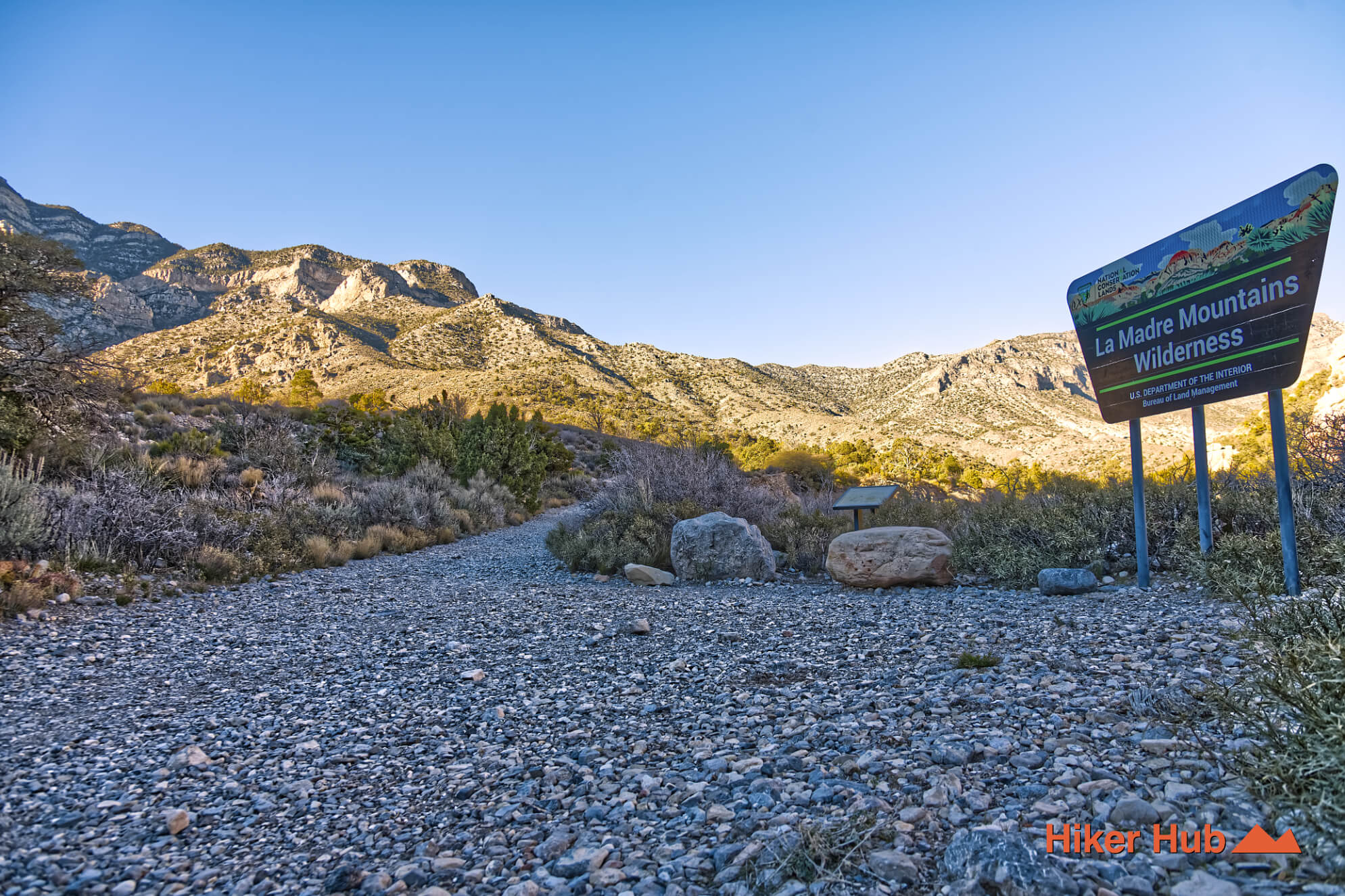
    Don't accidentally begin hiking up Rocky Gap Road from Lost Creek/ Willow Springs.
    Why:
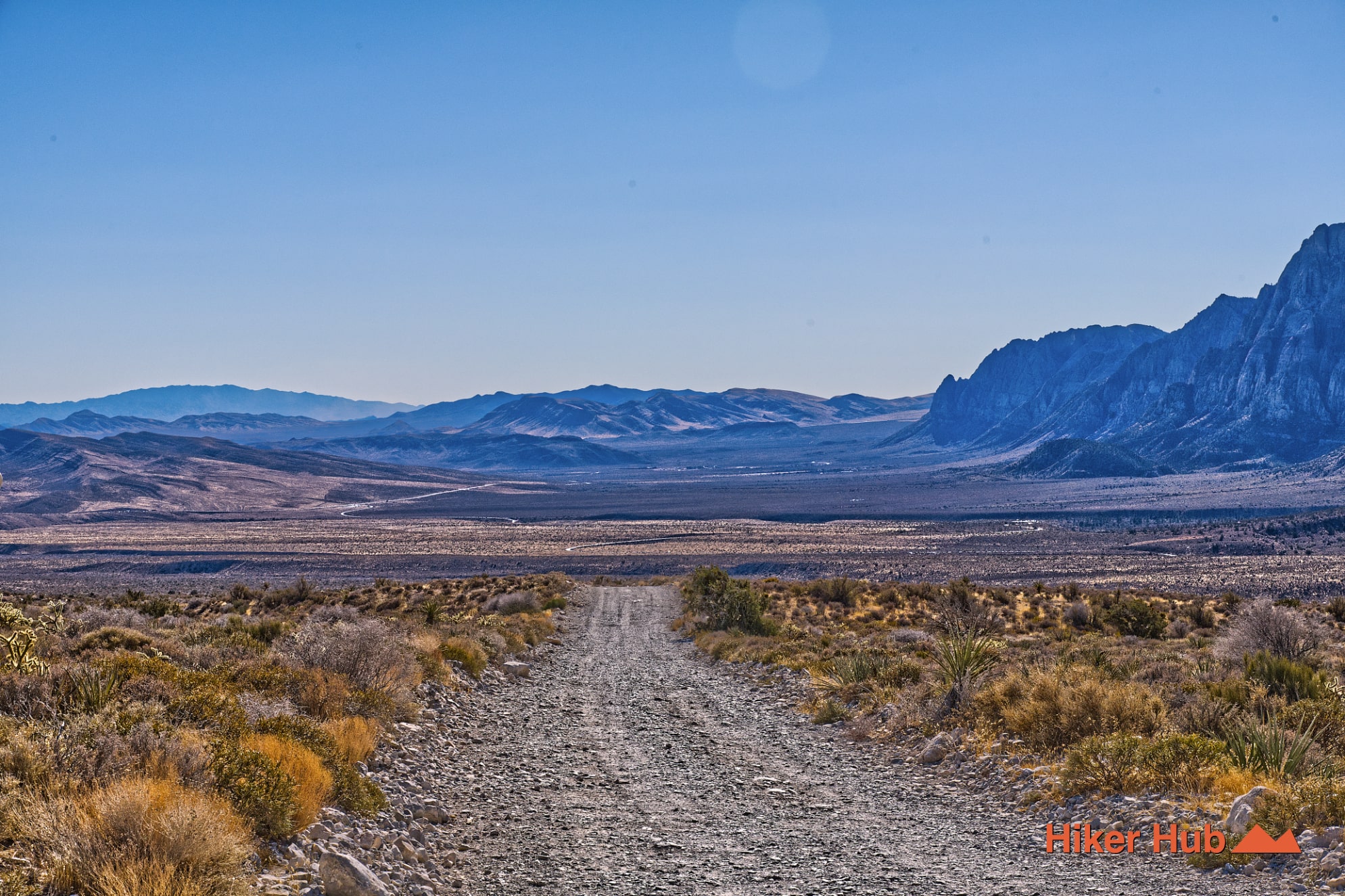
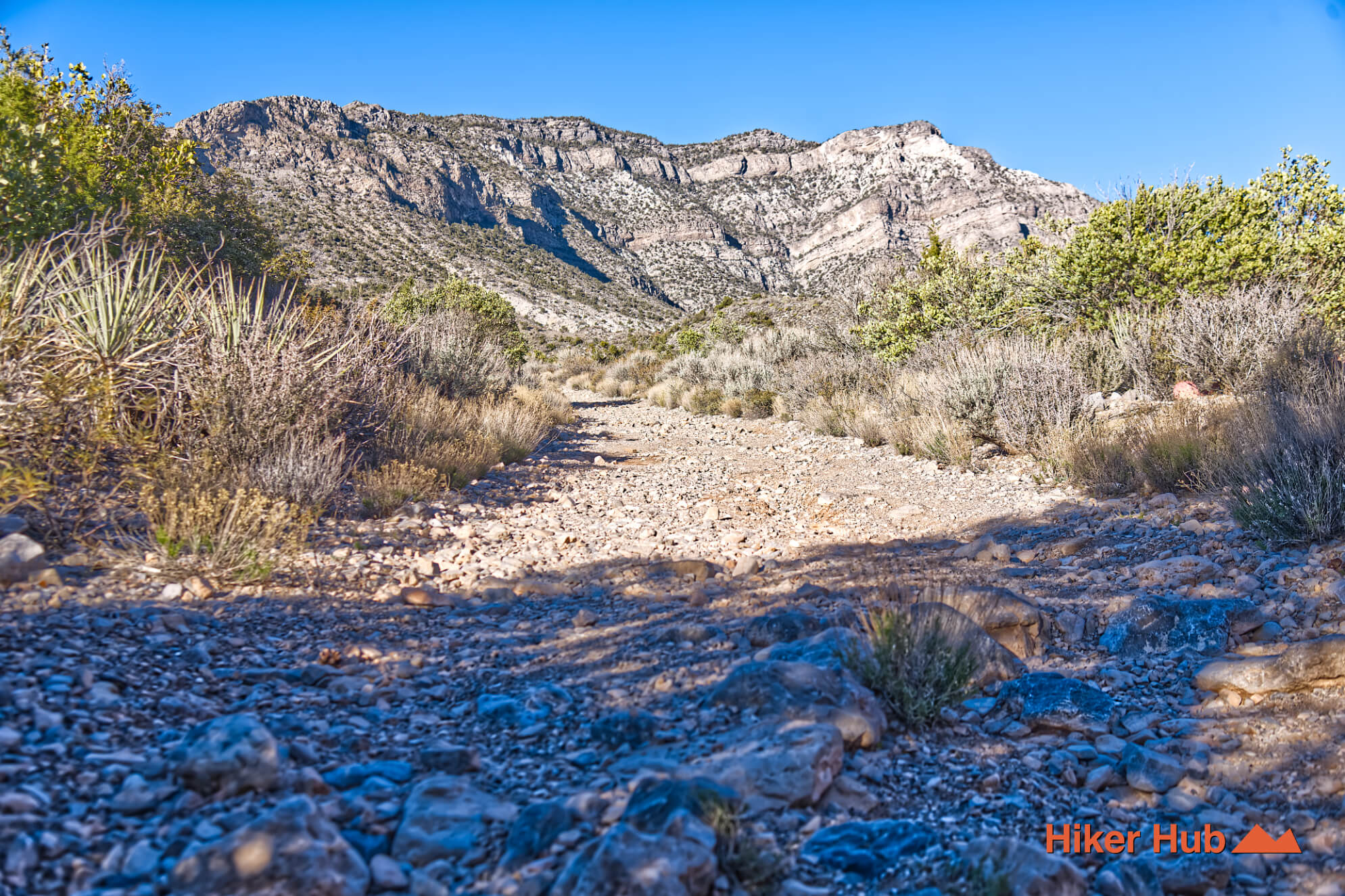
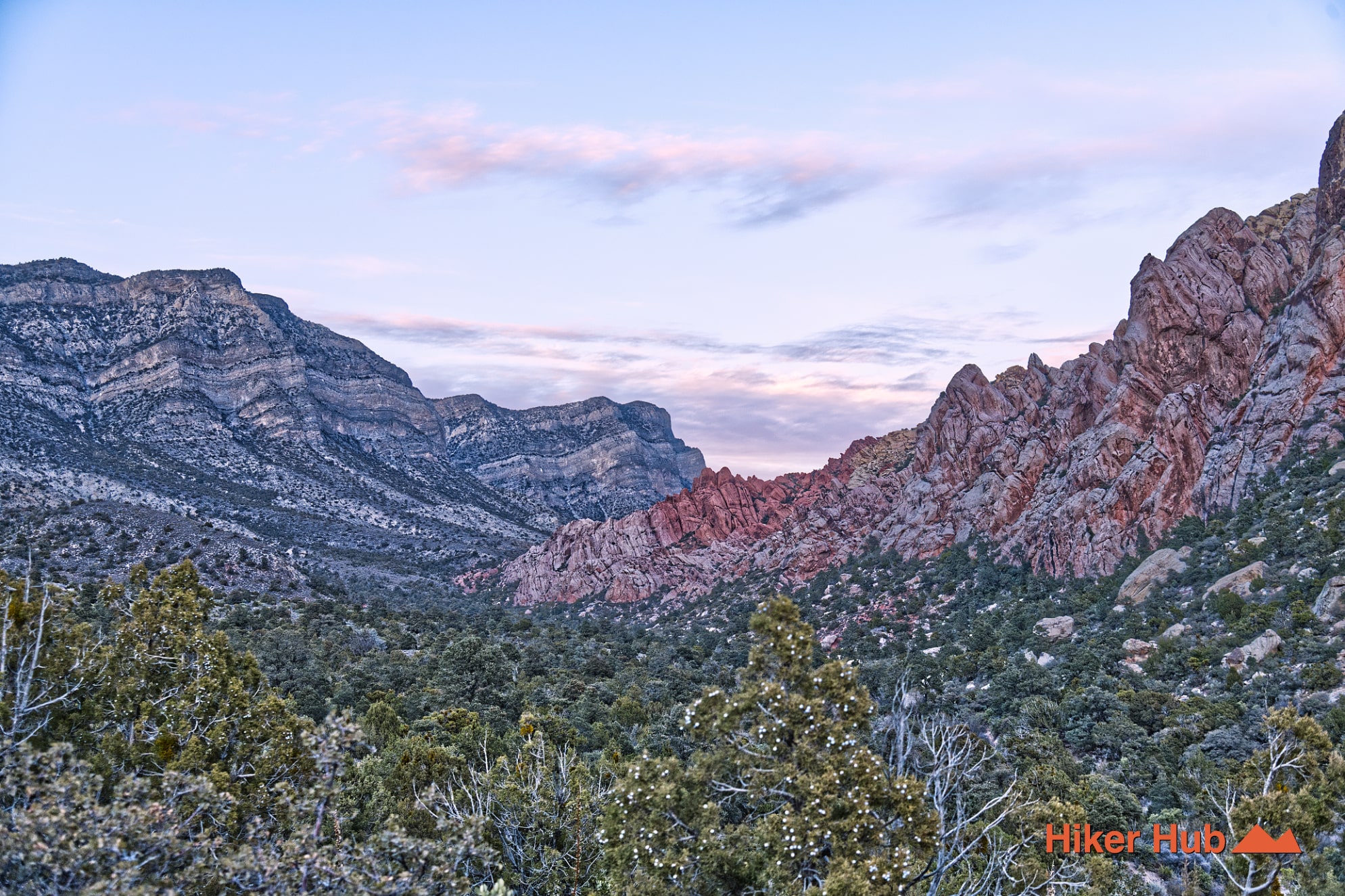
    The entire backside of the White Rock Hills is a fairly lush green valley. And due to the path of the sun and position of the mountain, it'll undoubtedly be cooler than the surrounding areas.
    Wildlife Probability:
    I've never seen anything here in the over half dozen times I've hiked it at various times and seasons. Do be weary though as there is a spring in this region and it's adjacent to the Rainbow and La Madre Wilderness. Water sources attract animals so there's no telling who may come looking for a drink.
    Trailhead coordinates:
    36.17253, -115.47702 — Map

    White Rock Hills — Keystone Thrust Geology

    The White Rock Hills sit at one of the most geologically dramatic boundaries in Red Rock Canyon—where the ancient Keystone Thrust pushed older gray limestone up and over younger red and cream-colored sandstone. This rare collision of rock layers created the stark division visible throughout the area: limestone ridges to the north and west, and colorful Aztec Sandstone formations to the south and east. The thrust fault not only shaped the region’s rugged topography but also influenced its ecology, providing a mix of shaded canyons, cooler air pockets, and sunlit slopes.

    Because of this blend of rock types and microclimates, the white rock hills support some of the densest and greenest vegetation in Red Rock Canyon. Juniper, pinyon pine, scrub oak, and desert shrubs flourish where cool limestone meets heat-absorbing sandstone. Springs once flowed along these contact zones, leaving behind the distinctive black streaks on sandstone walls—mineral deposits carried through the rock by long-vanished water sources. These contrasting environments create a uniquely lush passage where wildlife, shade, and shifting temperatures make the area feel more vibrant than many surrounding regions.
    Photography by Mohave Edge
    High-resolution desert & wilderness imagery captured on foot across Southern Nevada.

    Last updated: February 16, 2026

    Comments

    You must log in to comment.

    No comments yet.