Wildlife Series
Explore books and field guides focused on Red Rock Canyon, Southern Nevada, desert wildlife, hiking safety, ecology, and outdoor education. These resources are designed for hikers, locals, visitors, photographers, and anyone interested in understanding the Mojave Desert more deeply.
More Red Rock Canyon and Southern Nevada guides are currently in development, including wildlife, ecology, trail, and landscape-focused resources.
-
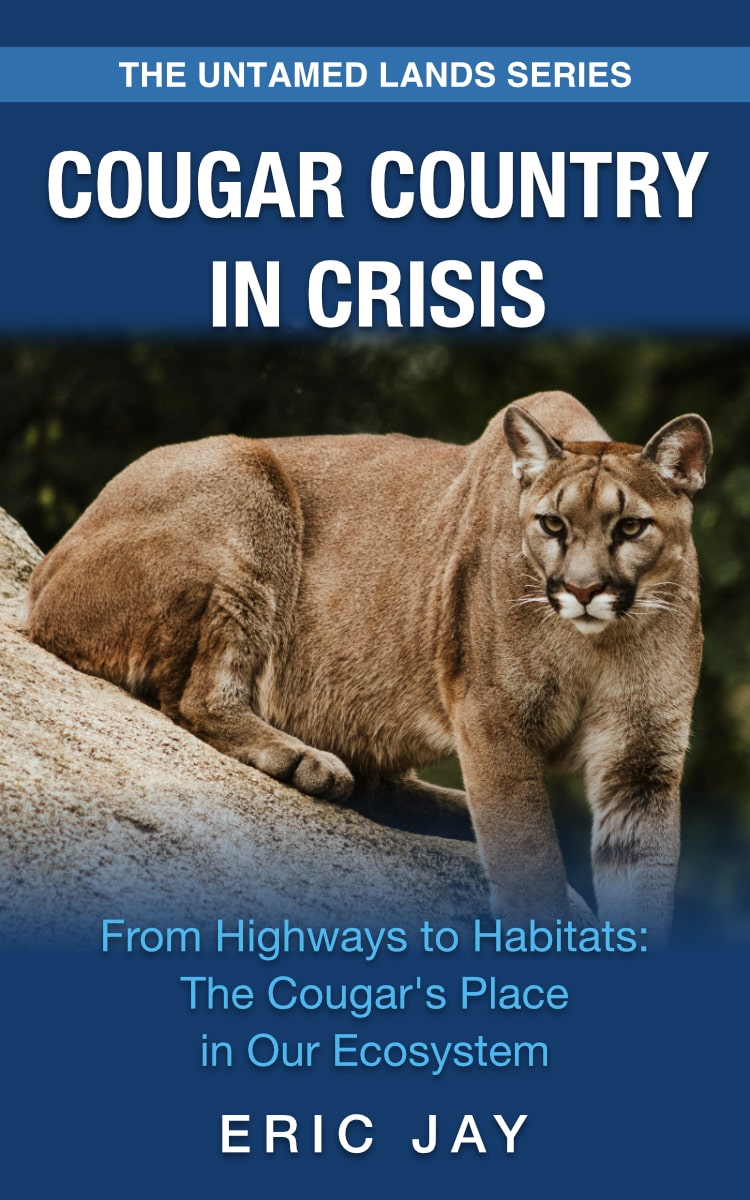
Cougar Country in Crisis
Explores the challenges North America’s mountain lions face—from habitat loss and human conflict to their vital yet misunderstood role in balancing fragile ecosystems.
-
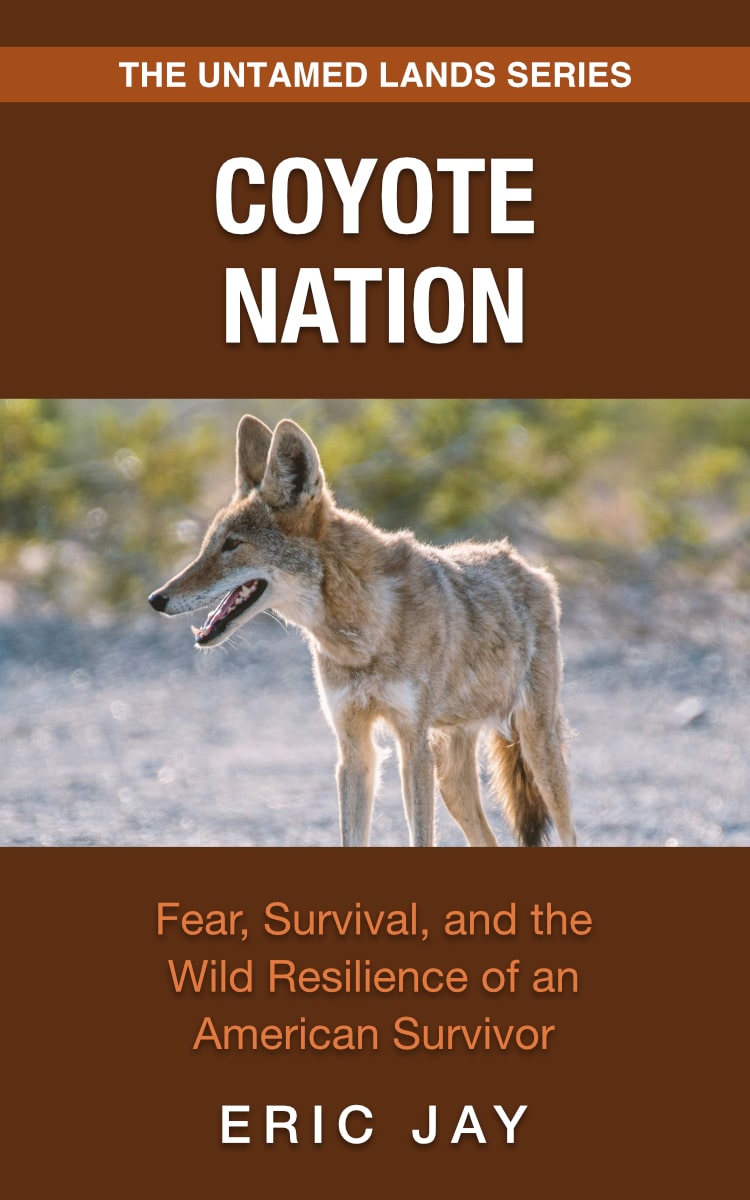
Coyote Nation
Clarifies misconceptions about coyotes, highlighting their adaptability, intelligence, and crucial role in maintaining ecological balance across North America.
Frequently Asked Questions
These questions reflect common search topics around Red Rock Canyon, hiking in Las Vegas, Southwest wildlife, coyotes, mountain lions, and conservation.
Are these books specific to Red Rock Canyon?
They are written for readers interested in Red Rock Canyon, Southern Nevada, the Mojave Desert, and the wider Southwest. The current books focus on wildlife and ecology rather than one single trail or one single park boundary.
What to know about hiking in Las Vegas/ hiking in Red Rock Canyon Las Vegas?
Hiking around Las Vegas and Red Rock Canyon means planning for desert conditions: heat, sun exposure, limited water, changing trail surfaces, sandstone terrain, seasonal crowding, and route-finding. Start early, carry more water than you expect to need, check current access rules, and choose trails that match your ability.
Social issues (topic around wildlife conservation)
Wildlife conservation is not only a science issue. It also involves roads, development, pets, hunting, public-land access, habitat loss, recreation pressure, livestock, safety concerns, and how communities decide to live near wild animals.
Animals in the Southwest/ what animals live in the Southwest region?
The Southwest is home to desert bighorn sheep, coyotes, mountain lions, bobcats, kit foxes, jackrabbits, bats, lizards, snakes, desert tortoises, raptors, songbirds, and many smaller animals adapted to dry landscapes.
Are these trail guides or wildlife guides?
The current books are wildlife and ecology guides. They are meant to help readers understand animals, habitat, and conservation issues. Dedicated trail and field guides are planned separately.
Are the books useful for hikers?
Yes. Hikers benefit from understanding wildlife behavior, habitat, seasonal activity, desert safety, and why certain areas need extra care. These books are companions to outdoor travel, not turn-by-turn trail maps.
Do these replace maps or official safety guidance?
No. These books do not replace maps, official land-management guidance, weather alerts, closures, permits, or emergency information. Use official sources and navigation tools before heading into the field.
Which book should I start with?
Start with Coyote Nation if you want a broader introduction to a highly adaptable Southwest animal. Start with Cougar Country in Crisis if you are more interested in large predators, habitat loss, highways, and human-wildlife conflict.
What is the Southwest known for?
The Southwest is known for deserts, canyons, sandstone formations, dry mountains, big skies, Indigenous history and culture, ranching history, public lands, drought-adapted wildlife, and dramatic landscapes such as the Mojave, Sonoran, Chihuahuan, and Great Basin desert regions.
Why wildlife conservation is important?
Wildlife conservation helps protect biodiversity, healthy ecosystems, habitat connections, predator-prey relationships, genetic diversity, and the natural systems that people depend on for clean water, resilient landscapes, education, recreation, and cultural value.
How to get into wildlife conservation?
Start by learning local species, volunteering with conservation groups, joining habitat restoration projects, studying ecology or natural resources, documenting observations responsibly, and building field, writing, mapping, or data skills.
Is wildlife conservation a good career?
It can be meaningful work for people who care about animals, public lands, science, education, and long-term stewardship. It can also be competitive, seasonal, and physically demanding, so it helps to build practical field skills and a flexible path.
Can coyotes attack humans?
Coyote attacks on humans are uncommon, but they can happen, especially when coyotes lose fear of people, are fed, are protecting pups, or associate neighborhoods with food. Never feed coyotes and give them space.
Are coyotes nocturnal?
Coyotes are often most active at dawn, dusk, and night, especially near people. They can also move during the day where they feel safe or where food and water are available.
Can coyotes breed with dogs?
Coyotes and domestic dogs can breed, but it is not common in most wild settings. Differences in breeding cycles, behavior, and survival pressures make coyote-dog hybrids unusual compared with ordinary coyote populations.
Are mountain lions and cougars the same?
Yes. Mountain lion, cougar, puma, panther, and catamount are common names used for the same species, Puma concolor, depending on region and context.
Can coyotes jump fences?
Yes. Coyotes can jump or climb many residential fences, especially if they can use objects, walls, or uneven ground for leverage. Secure attractants and supervise small pets outdoors.
What do coyotes eat?
Coyotes are opportunistic omnivores. They eat rodents, rabbits, insects, fruit, carrion, birds, reptiles, and sometimes unattended pets or human-associated food when neighborhoods make those resources available.
Will coyotes attack dogs?
Coyotes can injure or kill dogs, especially small dogs or unattended pets. Keep dogs leashed in wildland areas, avoid letting pets roam, and do not leave food outside.
What do mountain lions eat?
Mountain lions primarily eat deer where deer are available, but they can also prey on bighorn sheep, smaller mammals, coyotes, raccoons, rabbits, and occasionally livestock or pets.
Can coyotes be domesticated?
No. Coyotes are wild animals and should not be treated as pets. Feeding or attempting to tame coyotes creates dangerous conditions for people, pets, and the coyotes themselves.
Are coyotes pack animals?
Coyotes may live alone, in pairs, or in family groups. They are social animals, but they do not always move in large packs. Their behavior changes with food availability, territory, and breeding season.
Are mountain lions endangered?
Mountain lions are not managed the same way everywhere. Some populations are relatively stable, while others face serious pressure from habitat loss, road mortality, conflict, and regional management decisions. Status depends on location.