Habitat Fragmentation
How expanding development breaks continuous wildland into smaller pieces, making movement, hunting, and breeding more difficult for mountain lions.
How habitat fragmentation, roads, and expanding development threaten mountain lions and the ecosystems that depend on them.
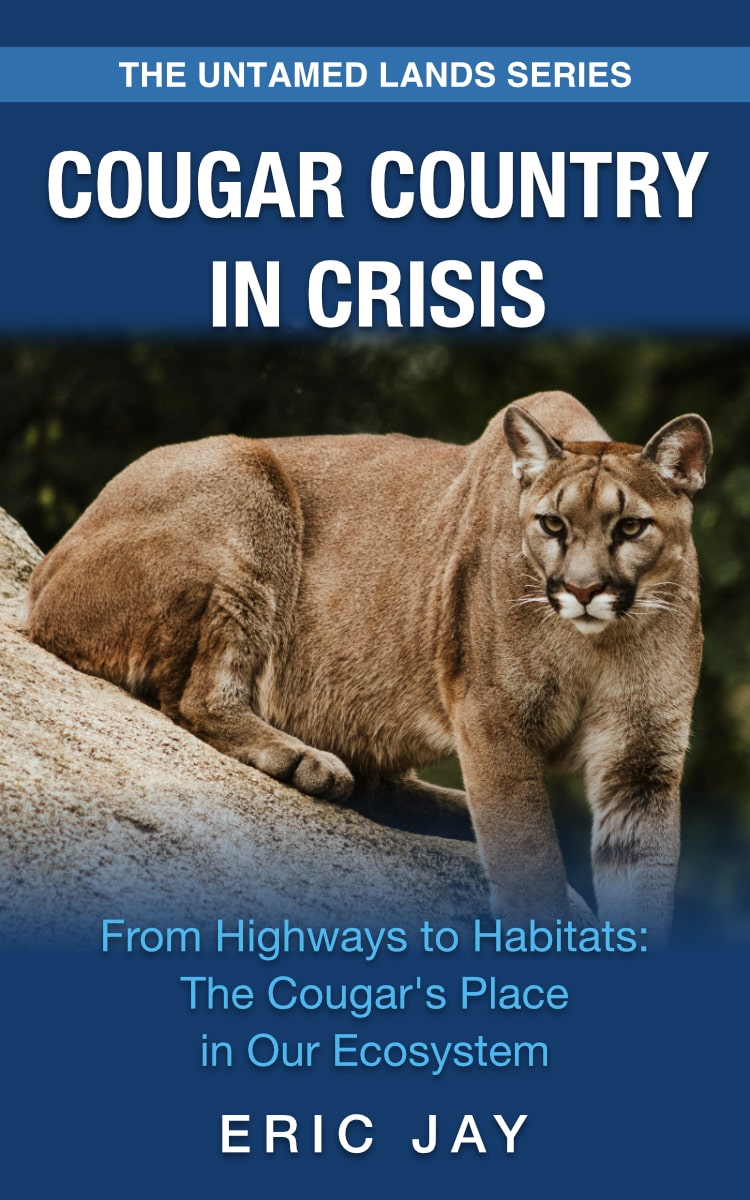
Red Rock Canyon Ecology Book
From Highways to Habitats: The Cougar’s Place in Our Ecosystem
Explore how mountain lions are affected by urban development, habitat fragmentation, highways, wildlife corridors, human conflict, and ecosystem pressure.
Read the Book on AmazonThis guide connects the book’s core ideas to real-world urban development issues: habitat pressure, wildlife movement, human conflict, and the role predators play in healthy desert and urban-edge ecosystems.
How expanding development breaks continuous wildland into smaller pieces, making movement, hunting, and breeding more difficult for mountain lions.
Why road crossings are one of the major survival challenges for mountain lions and how corridors can reduce isolation.
How fear, development pressure, livestock issues, and recreation overlap shape the way people respond to mountain lions.
Why apex predators matter for deer populations, scavenger systems, vegetation pressure, and broader ecosystem health.
What conservation, land planning, and public awareness can do to preserve viable mountain lion habitat.
Red Rock Canyon sits at the edge of rapid regional growth. As more people live, drive, hike, and build near desert habitat, wildlife pressure increases. Understanding these animals helps visitors and residents make better decisions around food, pets, road awareness, trail behavior, and land stewardship.
This book is useful for hikers, students, desert residents, conservation-minded readers, and anyone trying to understand how wildlife survives in places shaped by roads, neighborhoods, recreation, and expanding cities.
Learn how urban development affects wildlife and why these animals remain essential parts of the broader ecosystem.
Buy on Amazon View All BooksThey need large, connected territories. Development, highways, fencing, and habitat loss can isolate populations and reduce safe movement.
Yes. As apex predators, they influence prey behavior, carcass availability, and broader ecological balance.
Mountain lions are not just symbols of wilderness. They are active ecological participants whose survival depends on connected habitat.