Water carry
3L Hydration Pack
Useful for exposed desert routes where one small bottle is not enough.
View hydration packsRed Rock Canyon, Las Vegas
4.53 miles • Moderate • Trail
Conditions, access, and regulations can change. Always verify current information and assess safety before visiting.
Offline maps coming soon. Be first to access downloadable routes.
Some listings may be paid partnerships.
Know a useful stop near this trail? Suggest a business
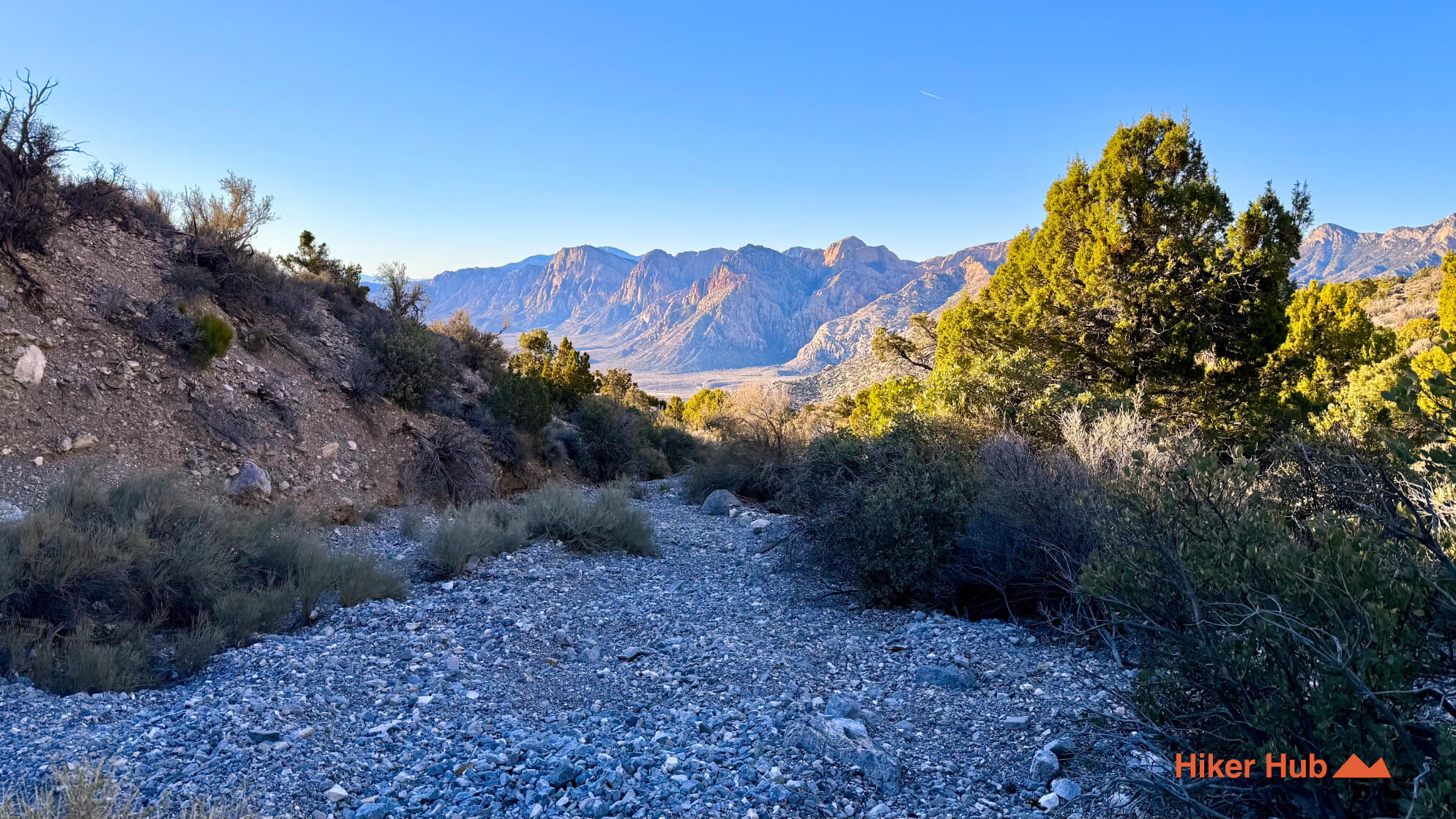
Keystone Thrust Ridge combines one of Red Rock Canyon’s most important geological sites with an optional climb into a much quieter limestone landscape. The standard Keystone Thrust Trail begins near the White Rock area and leads to the contact where older Paleozoic limestone was pushed over younger Jurassic sandstone. The ridge extension continues beyond the usual interpretive destination, gaining substantial elevation and entering faint, rugged terrain better suited to experienced hikers.
A thrust fault forms when compression pushes one block of crust over another. At Keystone, major tectonic forces moved ancient gray limestone eastward over much younger red and cream sandstone. The normal order of rock layers is reversed, making the contact visible from the trail. The Keystone Thrust structure extends for roughly 13 miles through Red Rock Canyon and formed during mountain-building events about 65 million years ago.
This is not an active surface rupture visitors should expect to move beneath their feet. It is the exposed record of an ancient fault system. The geological high point is the contrast itself: hard gray carbonate rock resting against bright Aztec Sandstone, with fragments and folds showing how violently the crust was compressed. Watch the Keystone Thrust field video or this short introduction to Red Rock Canyon geology before visiting.
The route begins from the White Rock and Willow Spring side of the Red Rock Canyon Scenic Loop. Nearby trails include White Rock Hills Loop, La Madre Spring, and the much more demanding North Peak Trail. The standard Keystone hike is a strong choice for visitors interested in geology who do not want a major summit.
The area is usually less crowded than Calico Tanks or Ice Box Canyon, although the White Rock parking area can fill on cool weekends. Once hikers move beyond the main thrust viewpoint toward the ridge, traffic drops sharply.
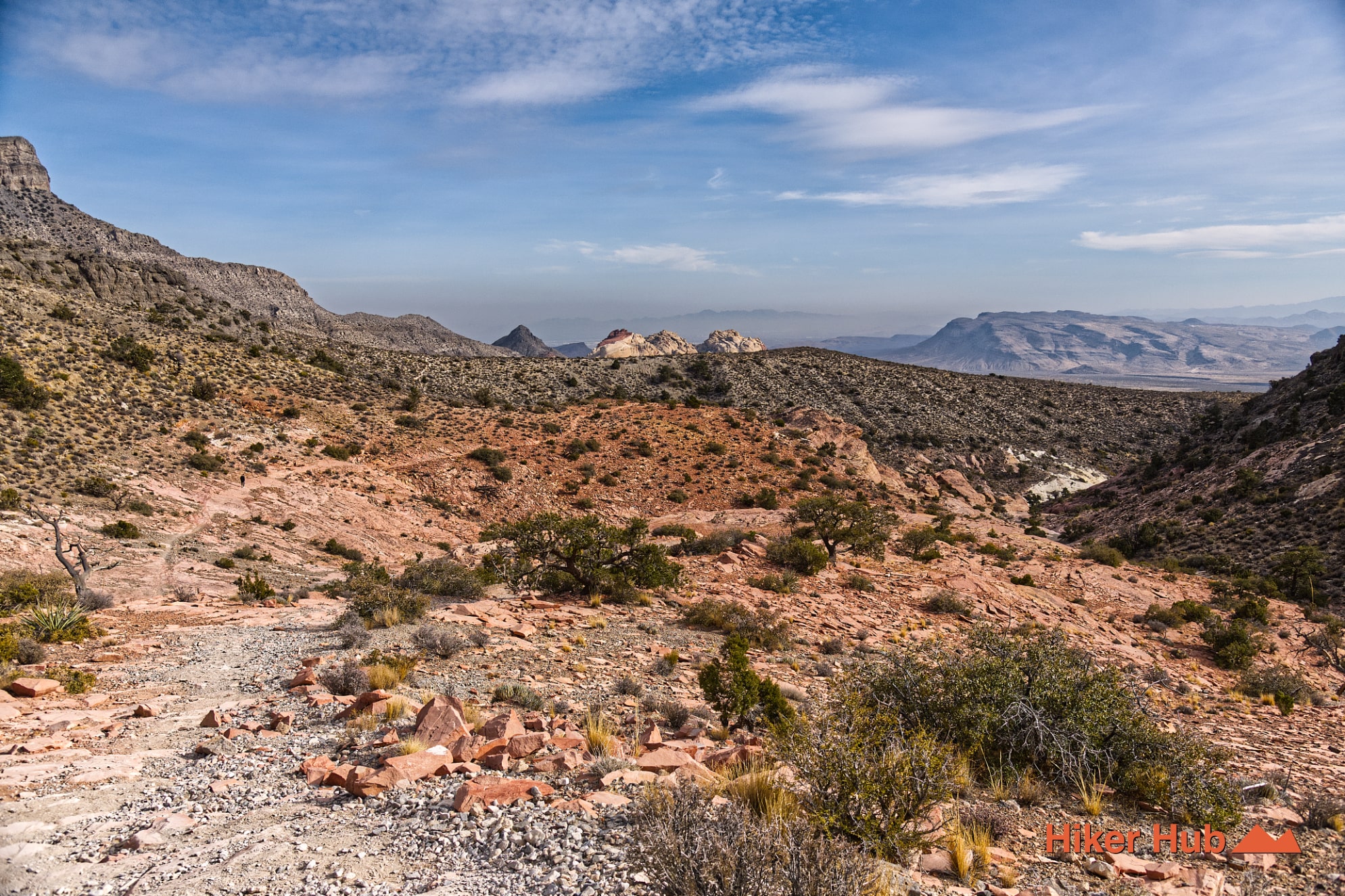
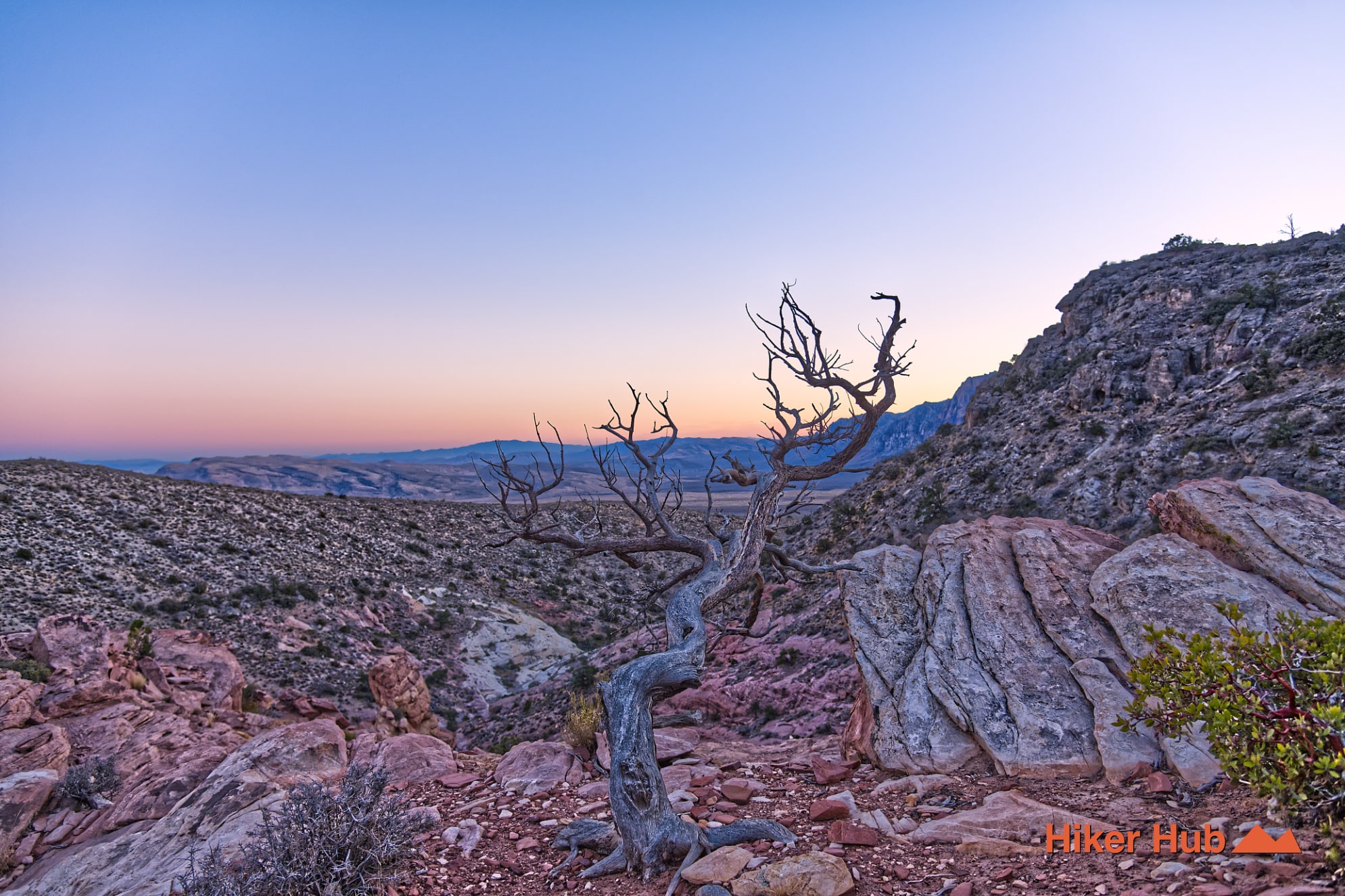
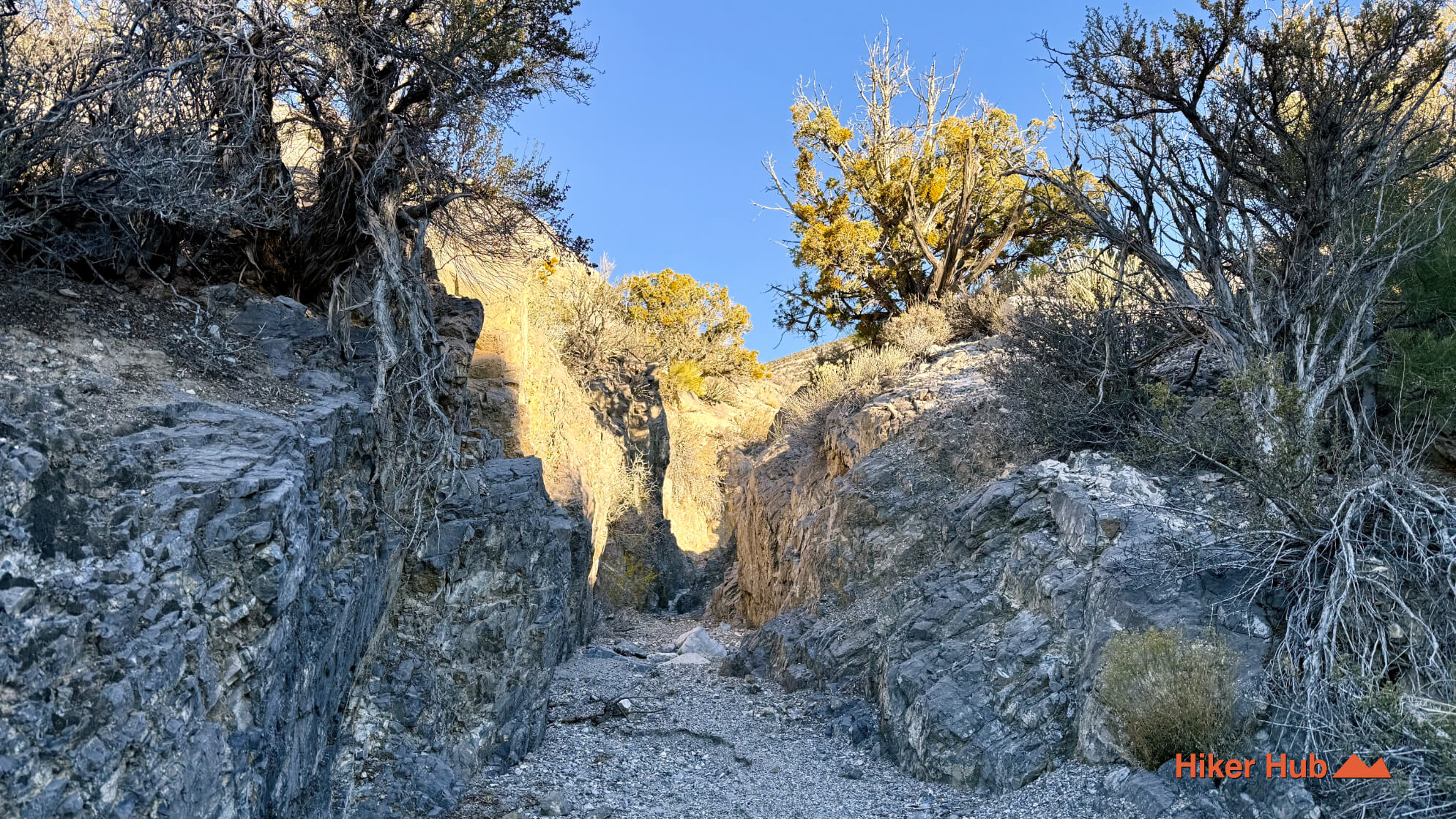
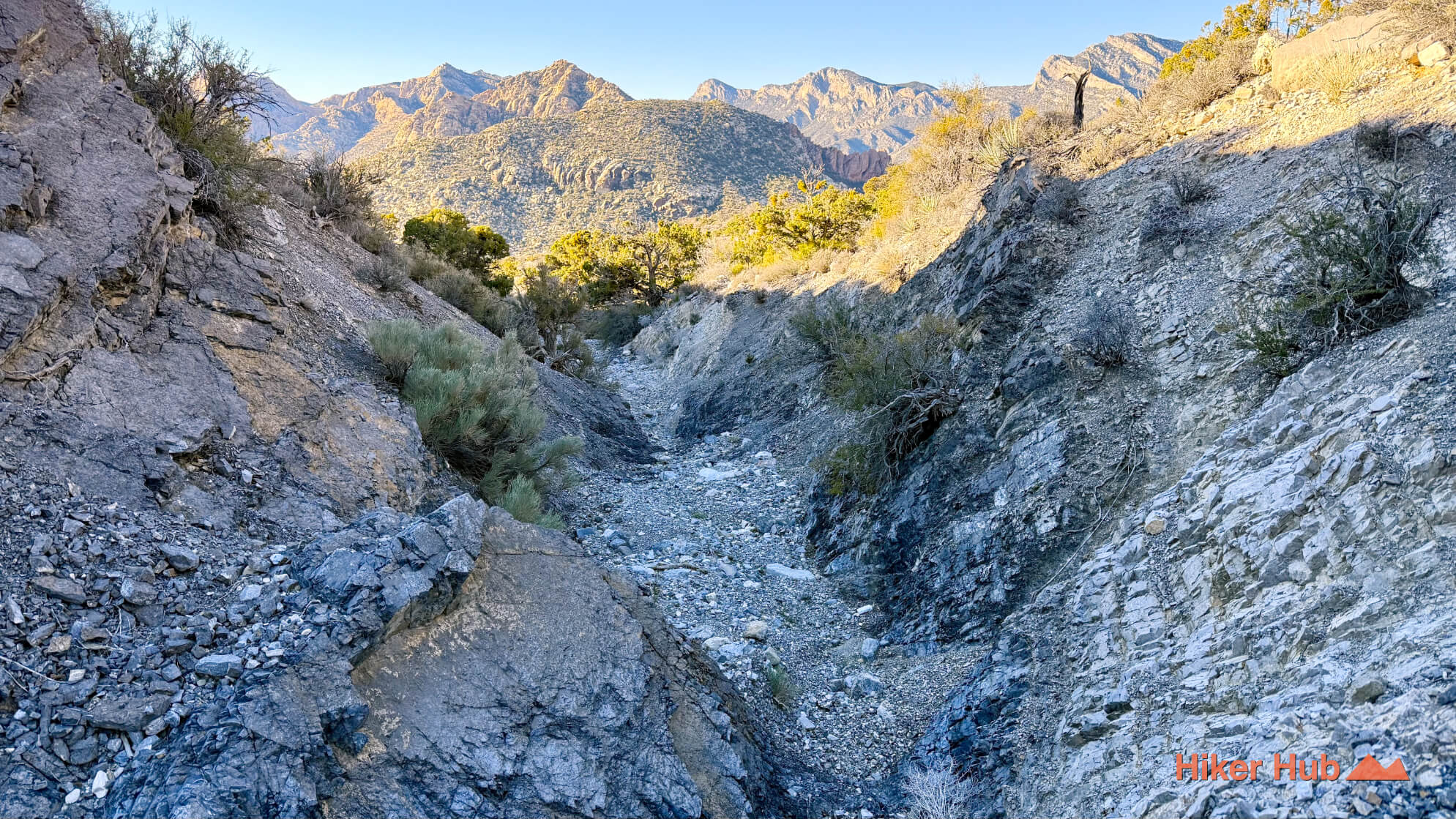
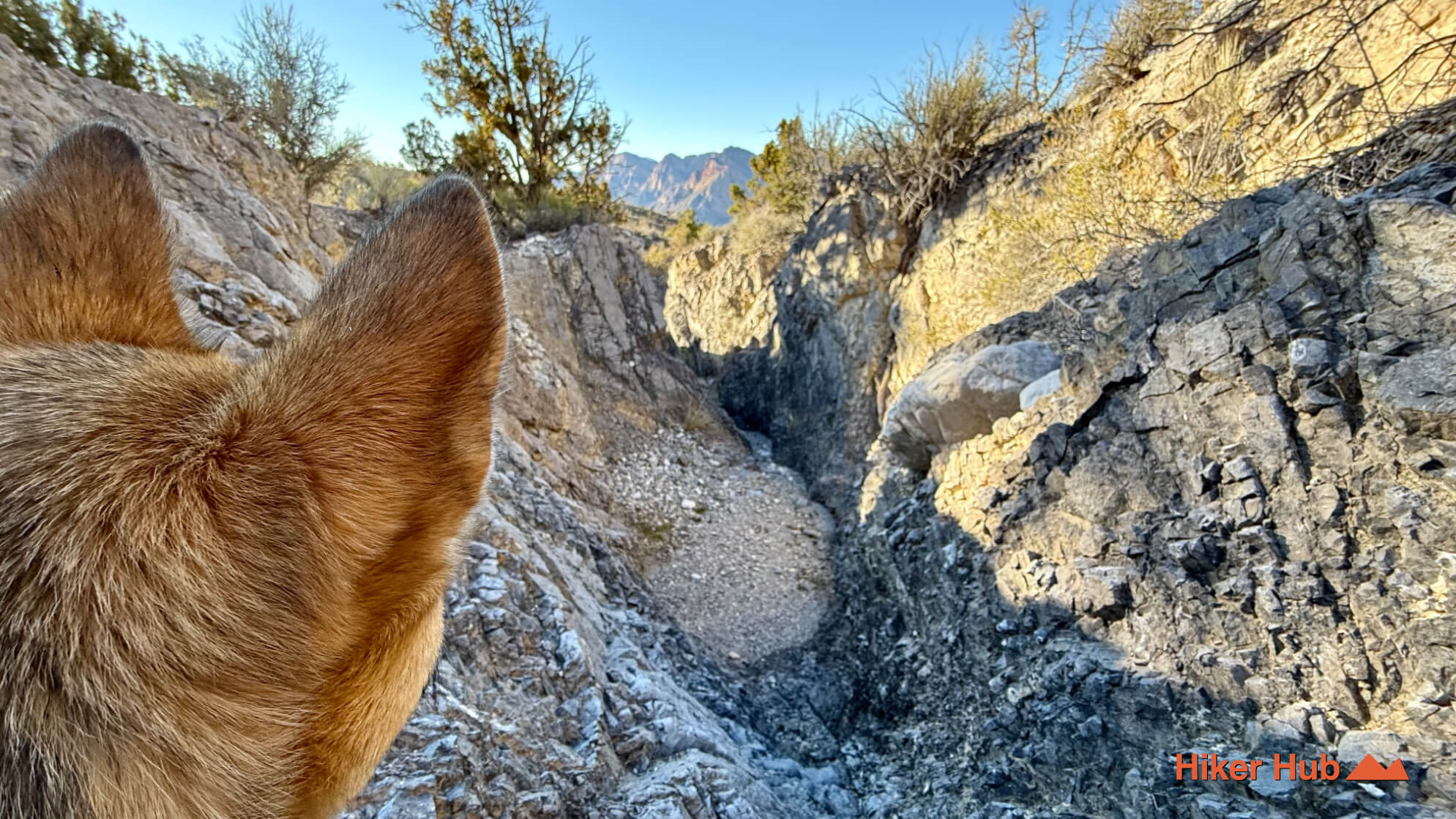
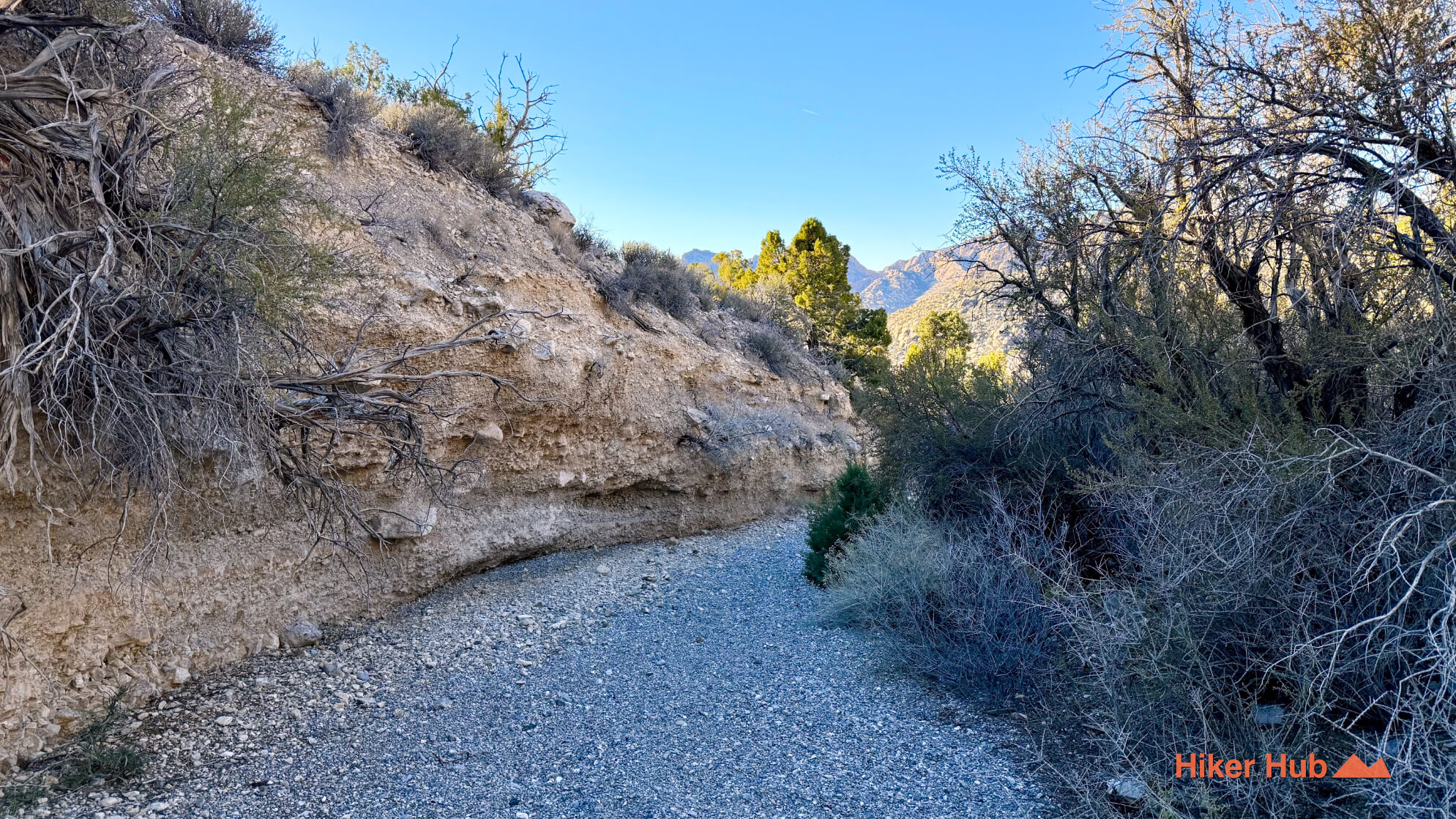
The route represented on this page continues well beyond the standard Keystone Thrust destination. It climbs higher into limestone terrain and reaches viewpoints nearly level with portions of the surrounding ridges. Near the upper section, the path becomes faint, briefly disappears, and drops toward a rugged limestone wash. This extension is not a casual add-on. It requires navigation, careful descent technique, adequate daylight, and comfort turning around when the route is unclear.
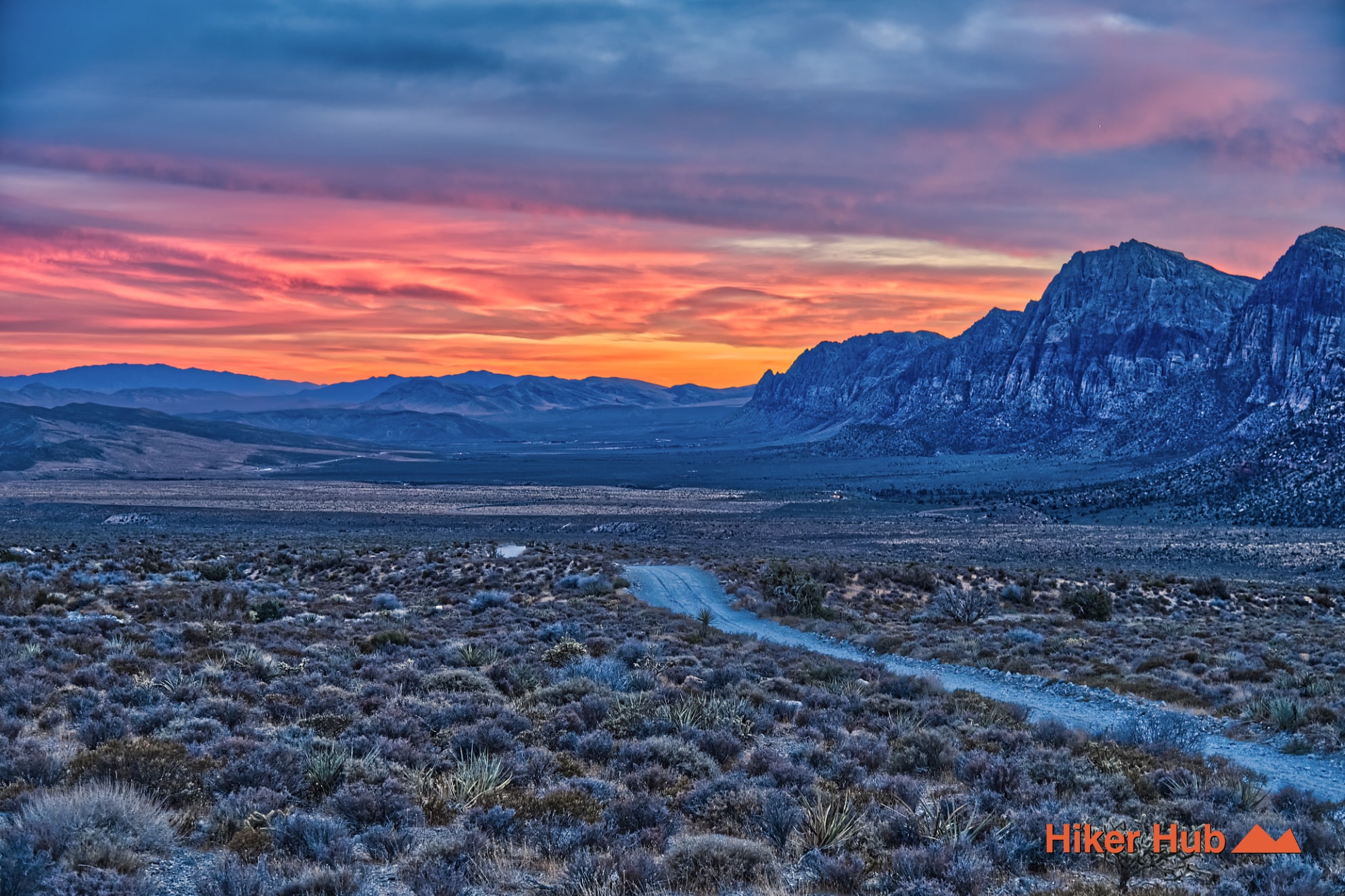
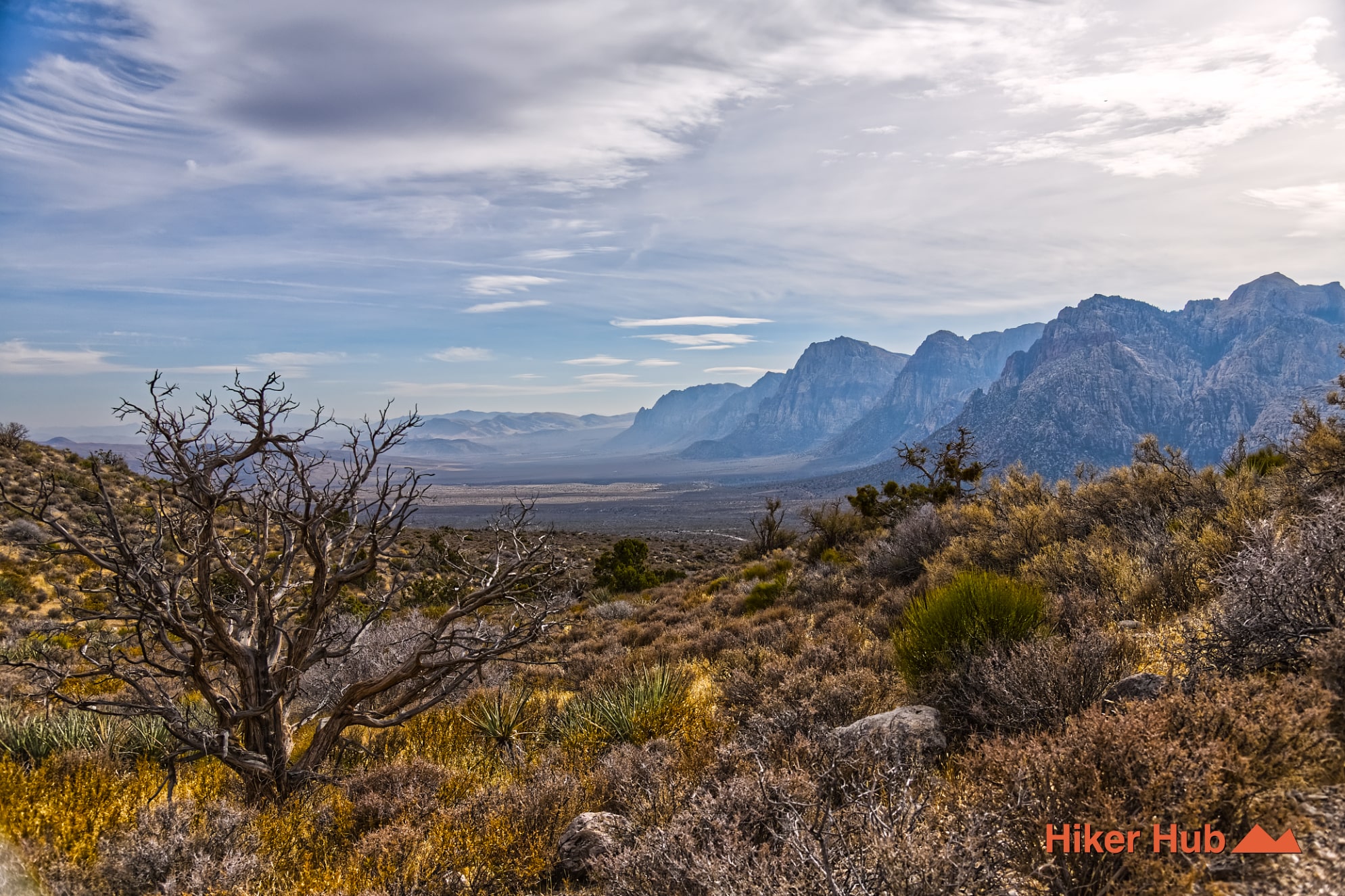
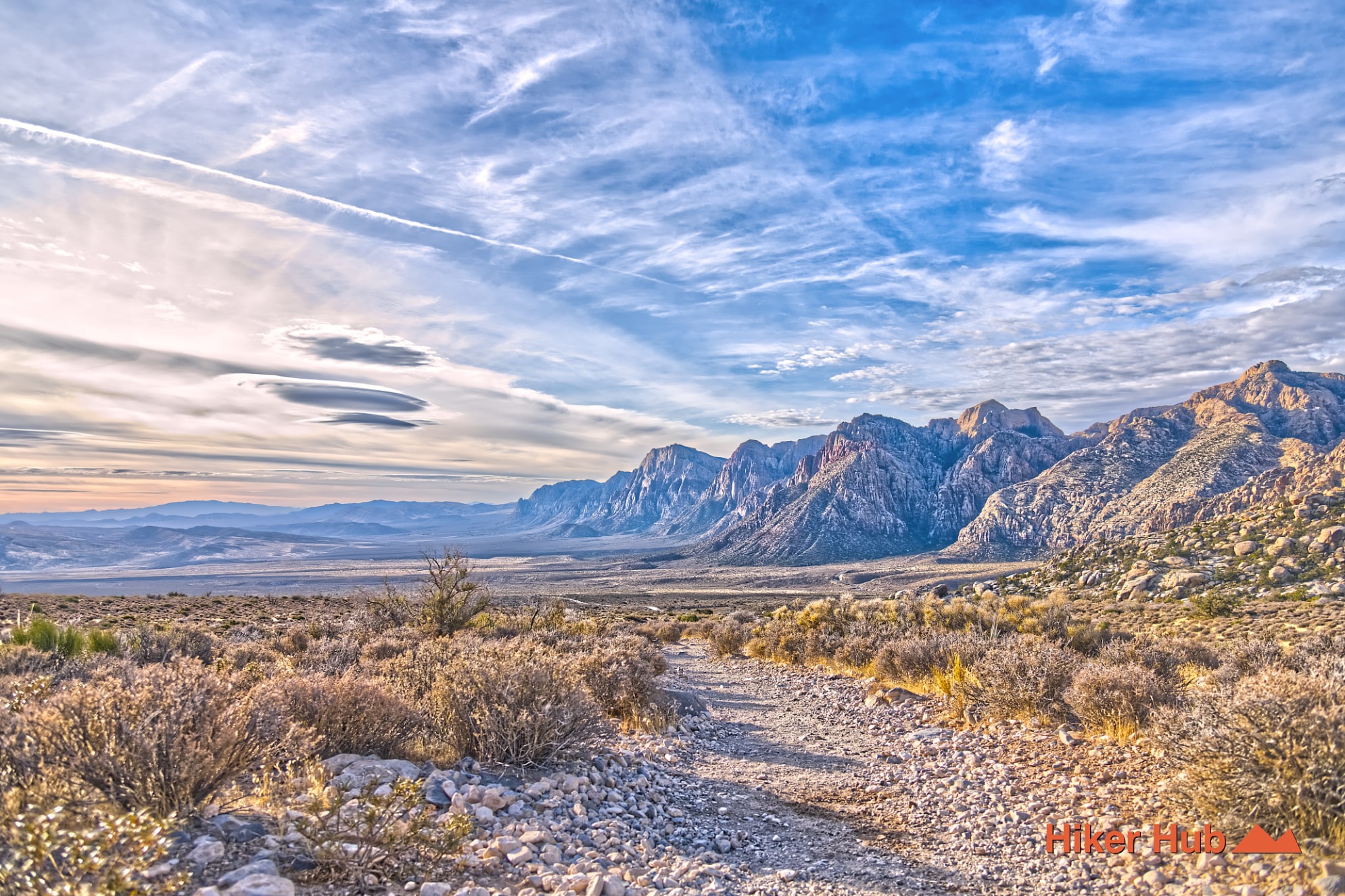
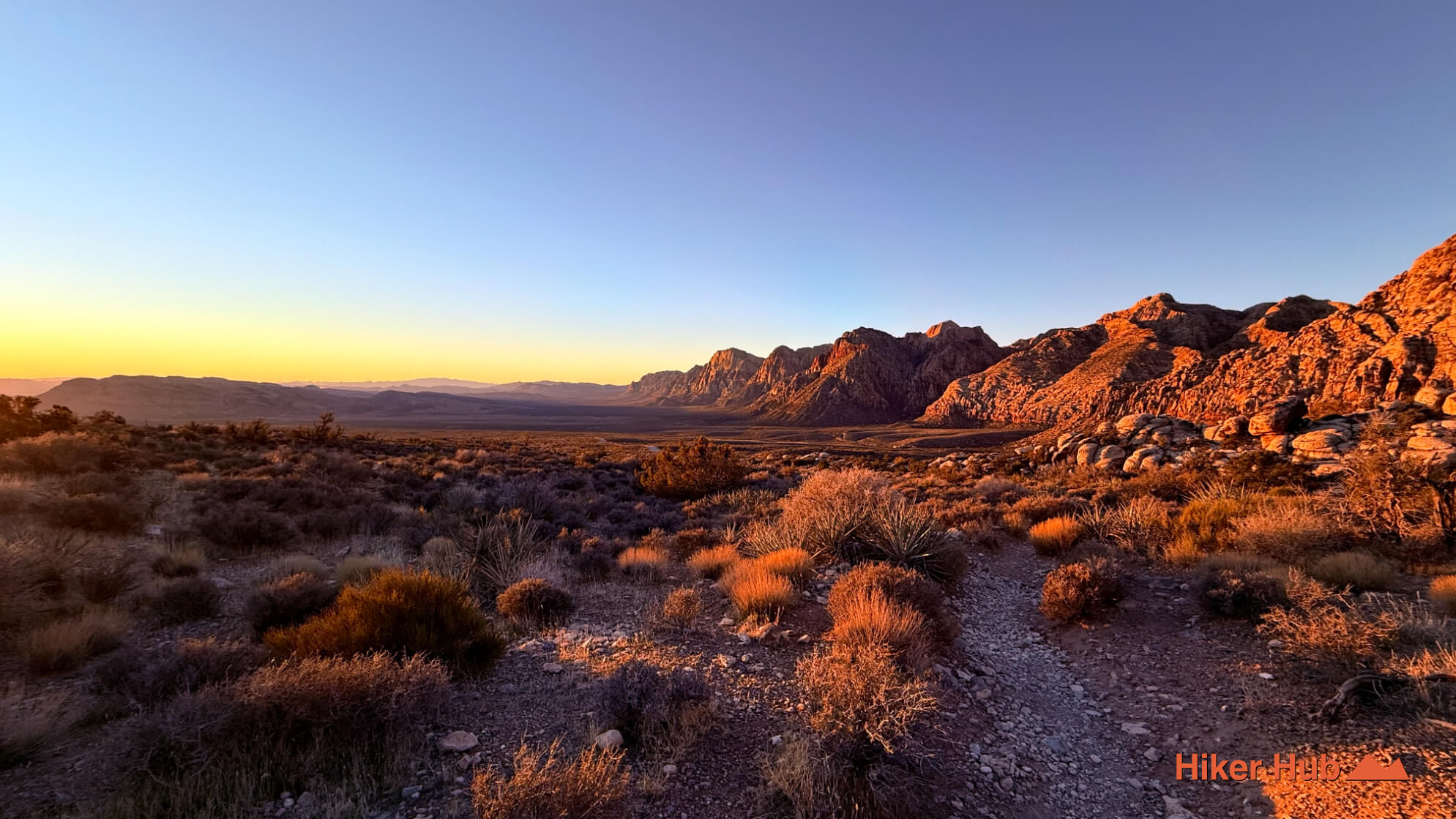
The reward is a remote perspective across White Rock, Turtlehead Peak, the Calico Hills, and the broader Red Rock escarpment landscape. It also exposes hikers to the older gray geology that is often visually overshadowed by the famous sandstone.
Keystone’s documented significance is primarily geological, but the surrounding White Rock and Willow Spring landscape also contains protected Indigenous cultural resources. Do not leave the trail to search for artifacts or rock imagery, and never touch or publicize sensitive locations. The modern interpretive trail allows visitors to understand a globally notable fault without disturbing those resources.
October through April is the best season. The route is exposed to sun and wind, and the limestone wash can become uncomfortable in heat. The standard thrust trail is appropriate for moderately experienced hikers and geology-minded visitors. The ridge extension is for strong hikers with route-finding experience, sturdy hiking shoes, and enough water for a longer day. Avoid the upper route during thunderstorms, extreme heat, or when winter ice remains on shaded limestone.
Recommended gear
Gear picks are matched to this route using distance, difficulty, terrain, and desert conditions.
Disclosure: some links may be affiliate links. Red Rock Hiker Hub may earn a commission at no extra cost to you.
Water carry
Useful for exposed desert routes where one small bottle is not enough.
View hydration packsFooting
Better traction helps on loose gravel, sandstone, rocky washes, and steeper trails.
View trail shoesShade
Simple shade matters on open desert terrain, sandstone slabs, and long approaches.
View hiking hatsSun protection
A lightweight sun layer is one of the most useful pieces of gear for Red Rock exposure.
View sun hoodiesSafety
Worth carrying for cactus spines, scrapes, blisters, and minor trail injuries.
View first aid kitsPhone backup
Useful when taking photos, checking maps, or spending a long day outside.
View power banks