Water carry
3L Hydration Pack
Useful for exposed desert routes where one small bottle is not enough.
View hydration packsRed Rock Canyon, Las Vegas
.76 miles • Easy • Trail
Conditions, access, and regulations can change. Always verify current information and assess safety before visiting.
Offline maps coming soon. Be first to access downloadable routes.
Some listings may be paid partnerships.
Know a useful stop near this trail? Suggest a business
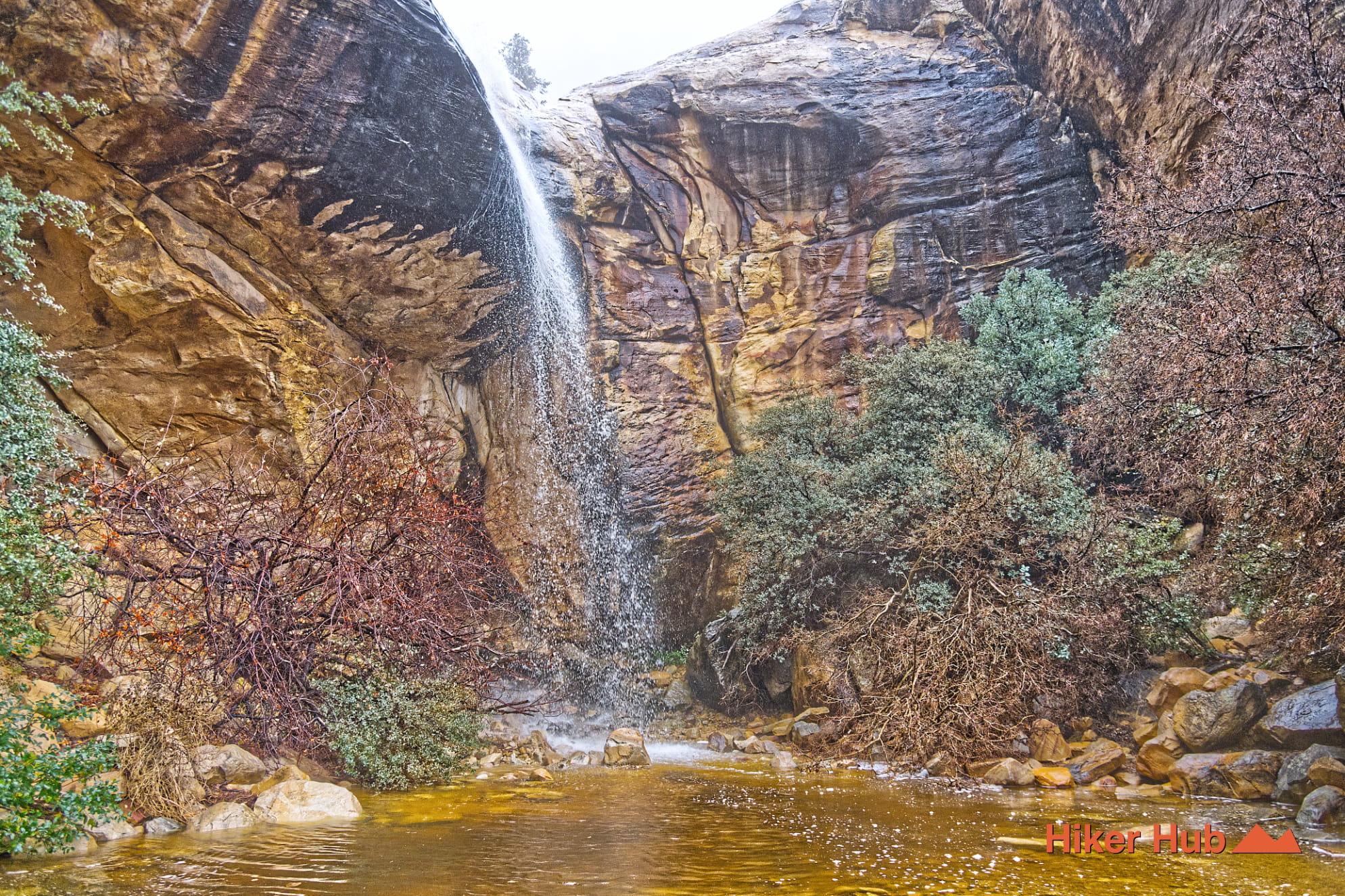
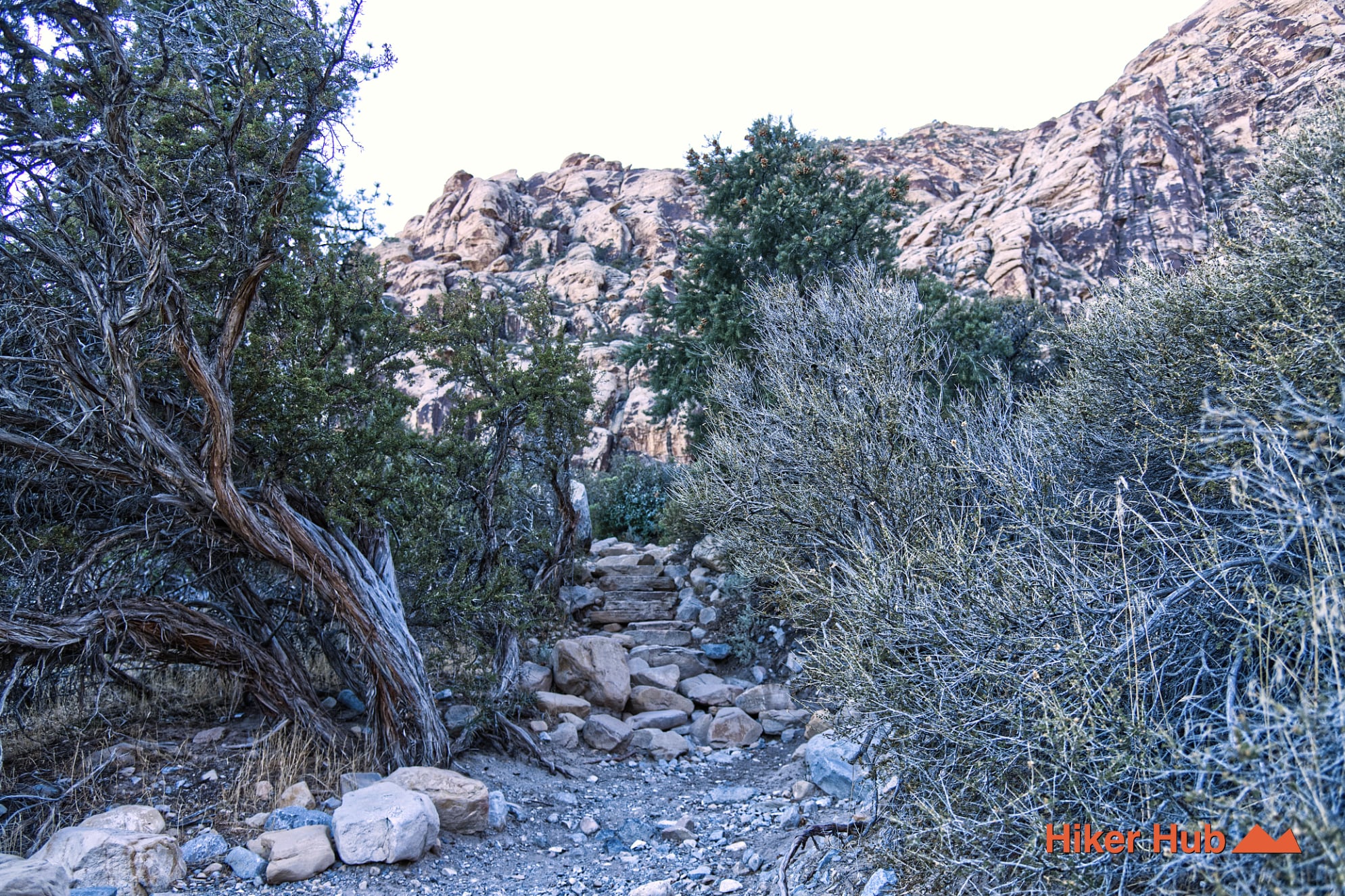
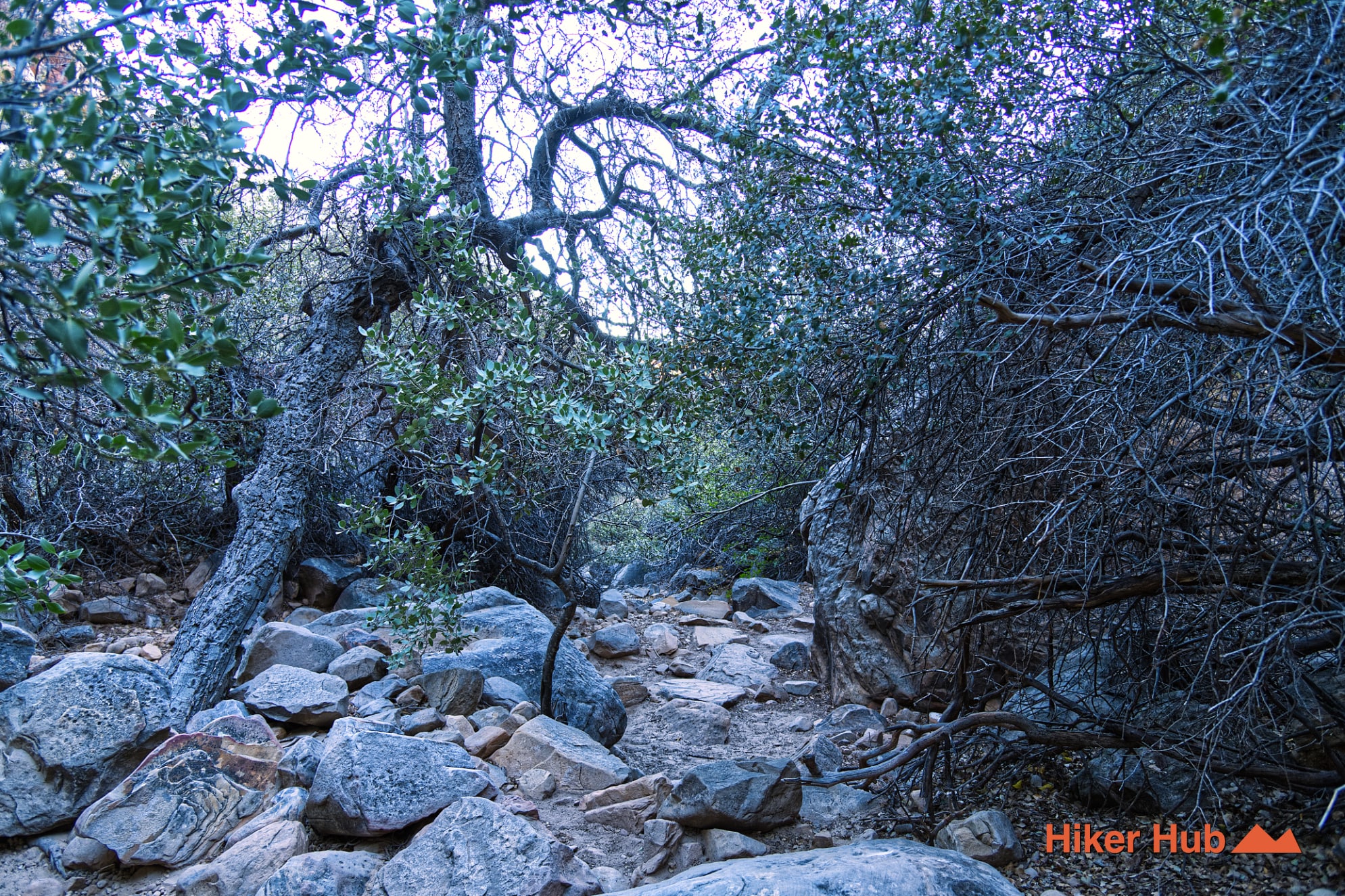
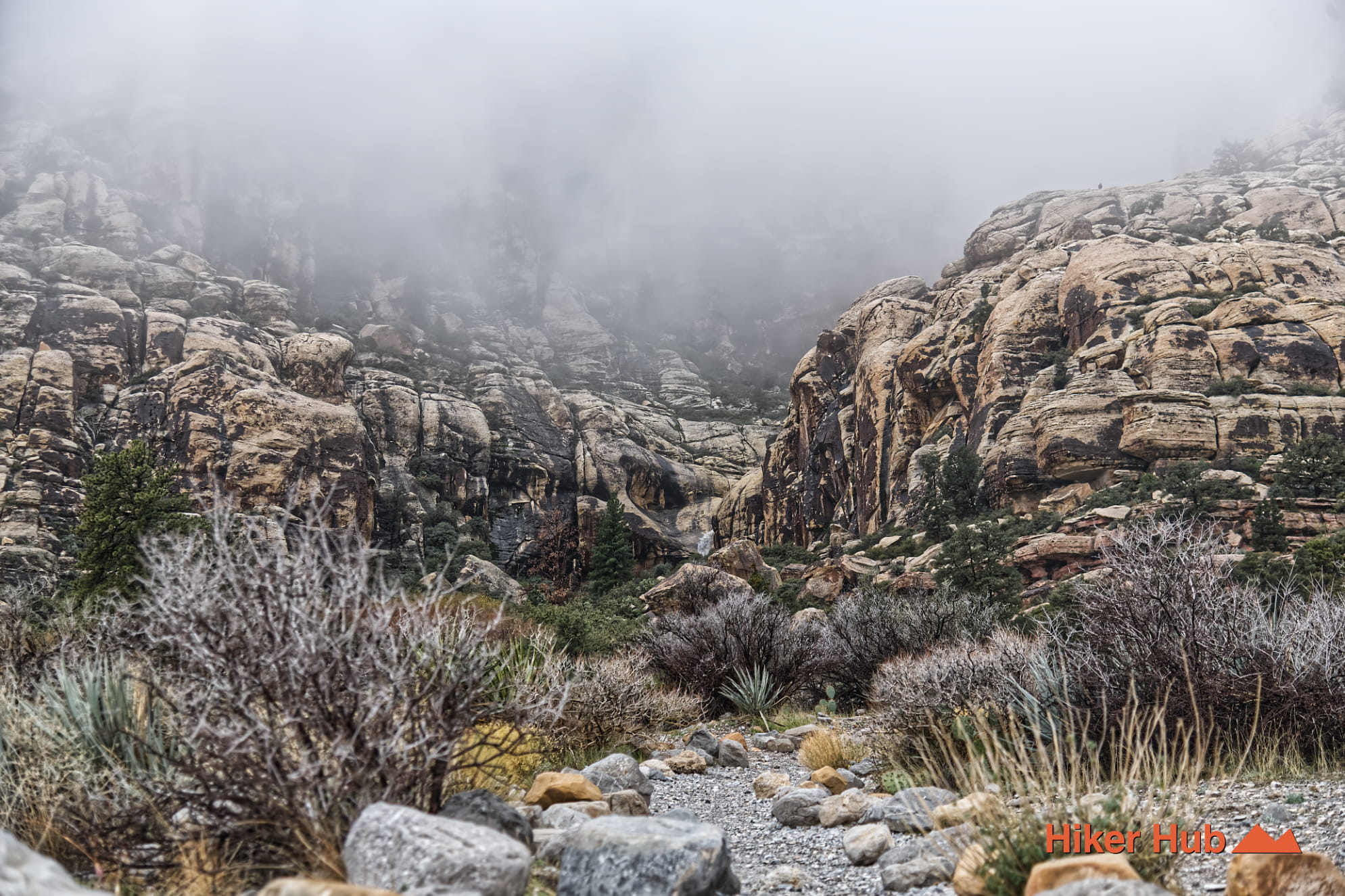
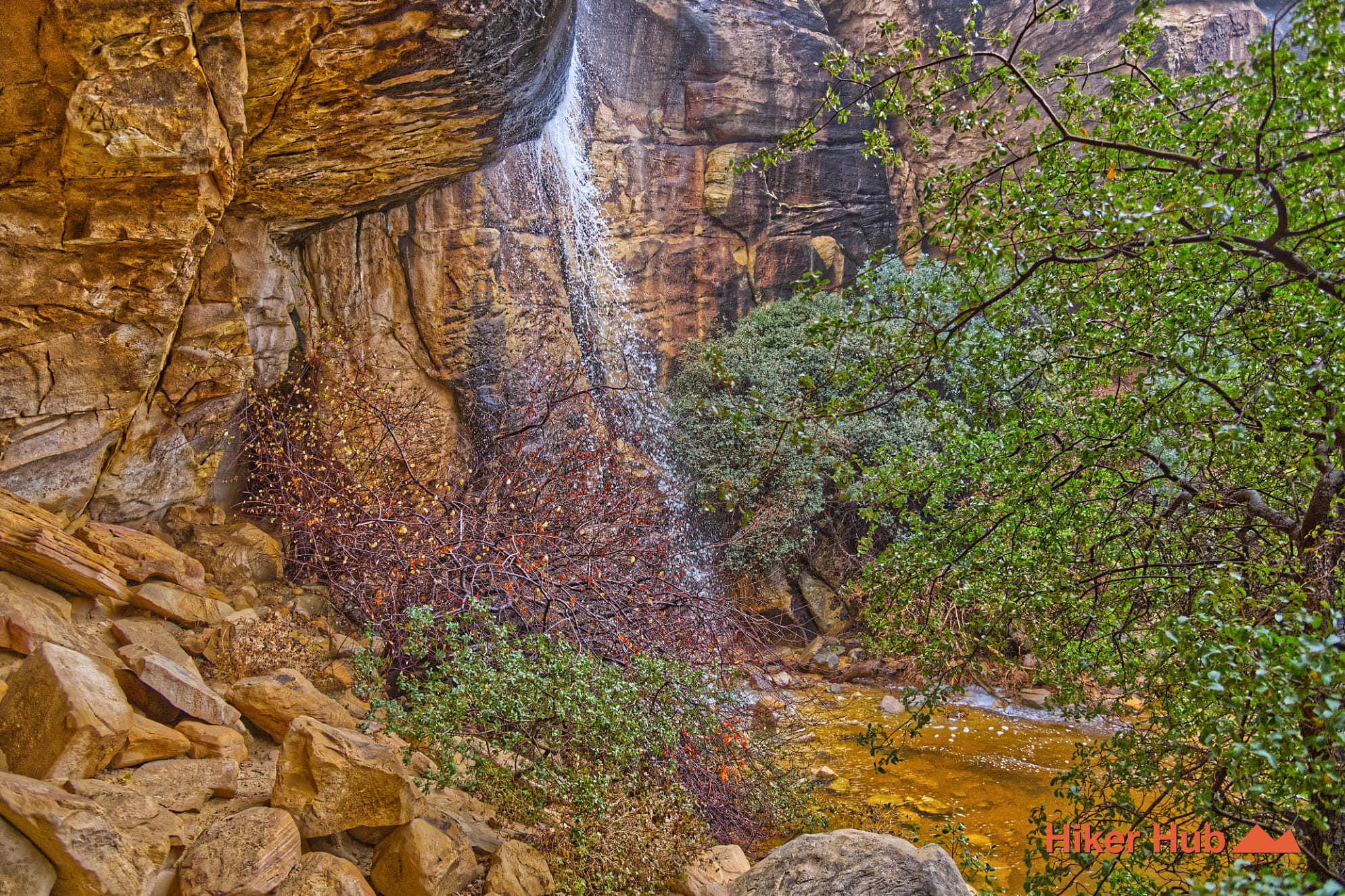
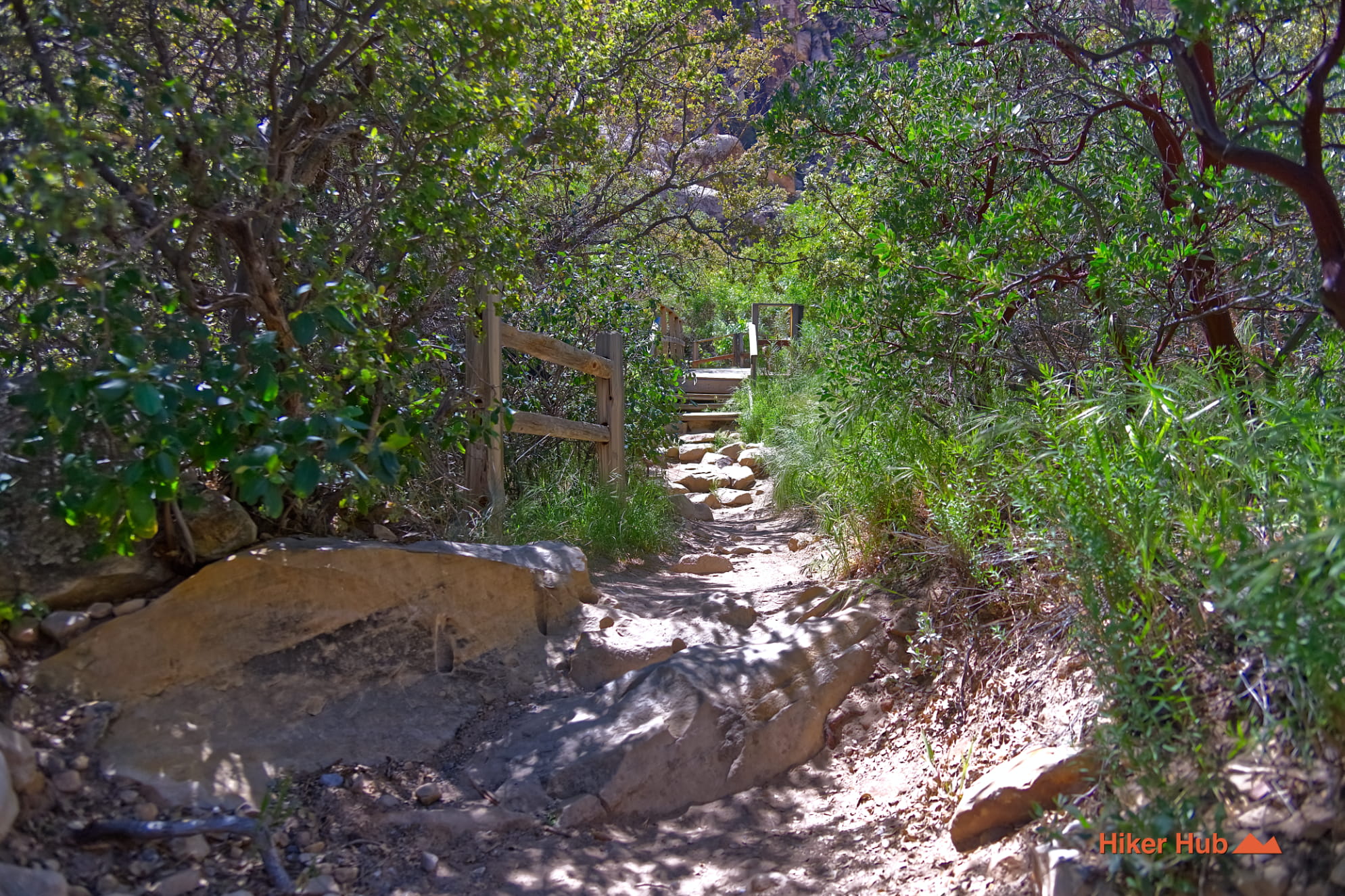
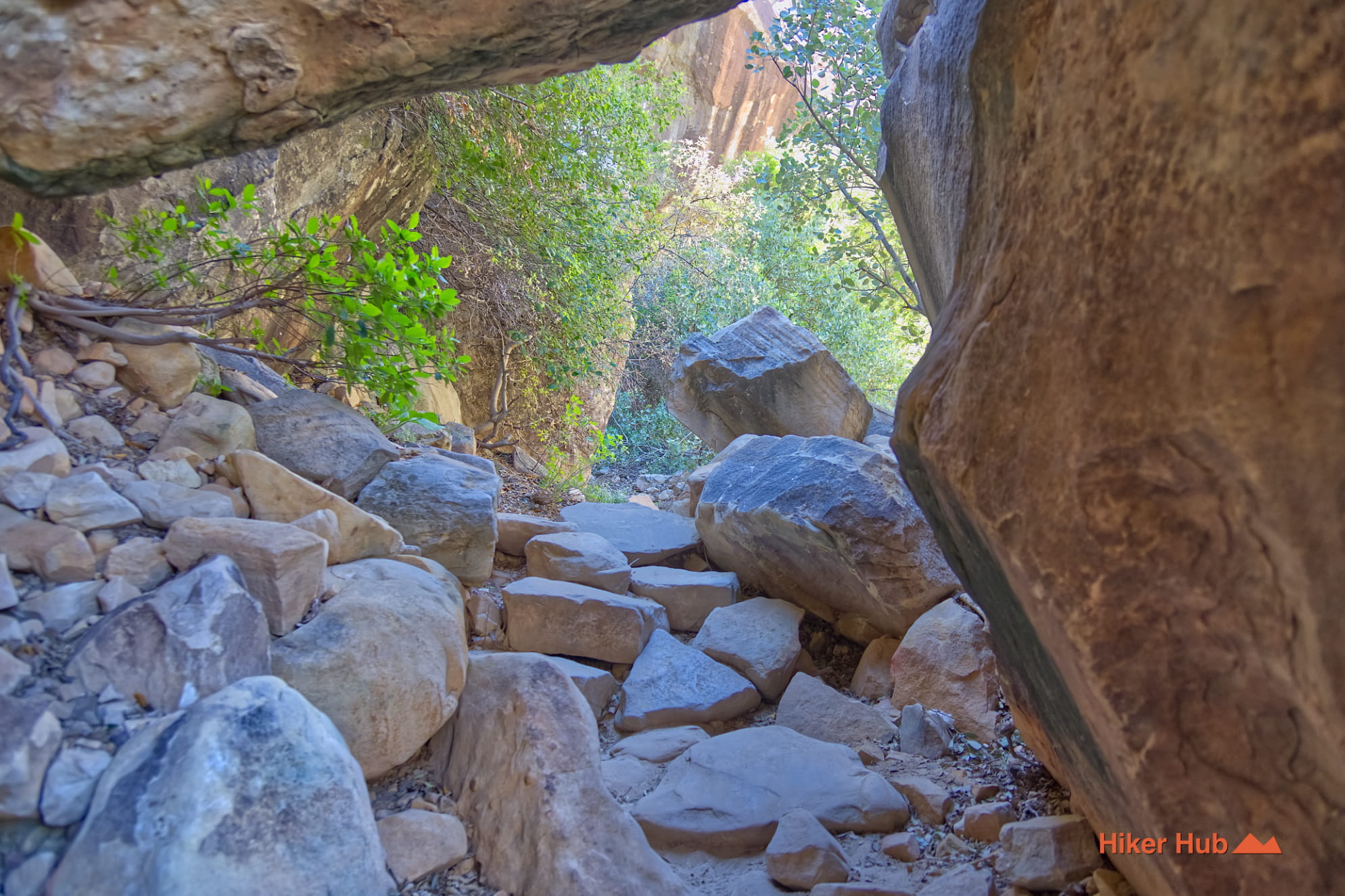
Lost Creek Canyon is a short, family-friendly trail with an unusually rich combination of seasonal water, riparian vegetation, sandstone walls, and cultural history. Beginning near Willow Spring on the Red Rock Canyon Scenic Loop, the path crosses a small bridge and enters a narrow, shaded corridor where trees and shrubs gather around the drainage. After sufficient winter rain or snowmelt, a seasonal waterfall can appear at the canyon’s end. Even when the waterfall is dry, the trail remains one of the best places to see how water changes life in the Mojave Desert.
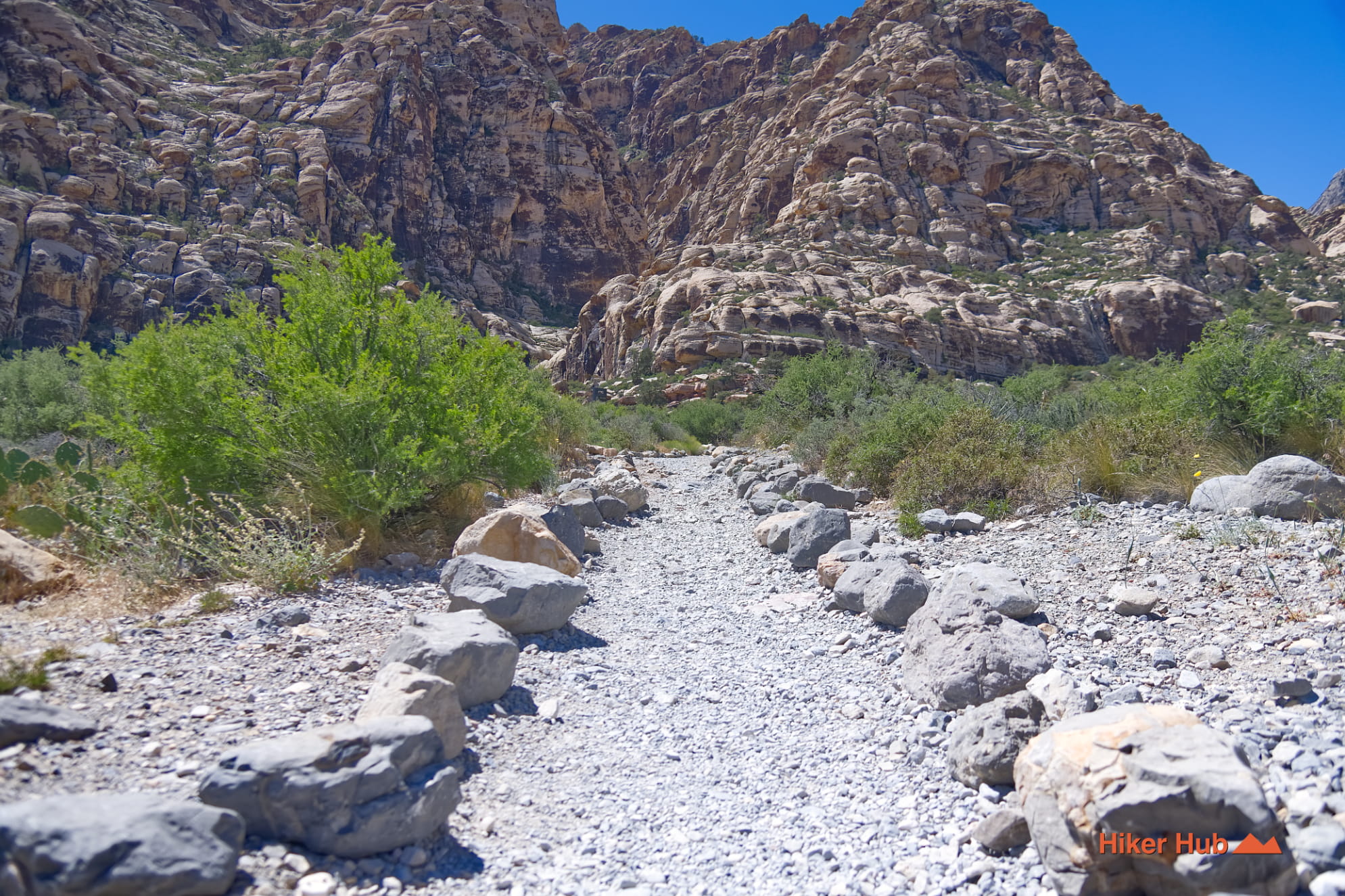
Lost Creek begins from the Willow Spring and Lost Creek trailhead area on the western side of Red Rock Canyon National Conservation Area. The route is short and interpretive, with signs explaining ecology and history. It's frequently used by families, school groups, first-time visitors, and anyone wanting an accessible alternative to longer red rock canyon hiking trails.
Nearby routes include White Rock Hills Loop, La Madre Spring, and Keystone Thrust Ridge. This brief Lost Creek Canyon video shows the waterfall.
Lost Creek occupies a drainage where runoff from the mountains can persist longer than it does on open desert flats. Shade reduces evaporation, fine sediment holds moisture, and cracks in the rock guide water into the canyon. Cottonwood, willow, shrub, moss, and other riparian growth create habitat for birds, insects, reptiles, and mammals. A nearby Great Horned Owl video from the Las Vegas desert illustrates the kind of wildlife supported by these varied habitats, although of course, sightings on any particular hike are never guaranteed.
The waterfall is seasonal. Winter and early spring provide the best chance of flow, especially after mountain precipitation, but hikers should not enter during active storms or flash-flood conditions. Water in the creek is not a dependable drinking source.
The Lost Creek and Willow Spring area contains evidence of long Indigenous use, including food-processing features and rock imagery in the broader corridor. Southern Paiute people and earlier communities relied on the springs, plants, animals, shelter, and stone resources of Red Rock Canyon for generations. These resources are protected and spiritually or historically significant; they're not souvenirs, climbing holds, or backgrounds to mark with modern names.
The wider southern Nevada landscape later became connected to travel associated with the Old Spanish Trail, which followed and intersected much older Indigenous trade routes. The evidence reviewed does not establish Lost Creek’s modern footpath as the historic trail itself, so it's more accurate to understand the canyon as part of a larger network of water sources and human movement rather than claim it was a specific Old Spanish Trail stop.
Lost Creek is ideal for families, beginner hikers, photographers, birdwatchers, visitors interested in Indigenous history, and anyone seeking a short nature experience. The maintained portion is relatively easy, although wet rock, roots, and boulders can become slippery. Stay on the designated path and supervise children near water and rock ledges.
November through April is the strongest season, with winter and early spring offering the best chance of a flowing waterfall. The trail can be crowded on weekends, after storms, and during school outings. Visit early on a weekday for a quieter experience. For another look at the ecological contrast created by desert water, see Ash Tree Red Rock Canyon and the nearby Ash Spring Trail.
Recommended gear
Gear picks are matched to this route using distance, difficulty, terrain, and desert conditions.
Disclosure: some links may be affiliate links. Red Rock Hiker Hub may earn a commission at no extra cost to you.
Water carry
Useful for exposed desert routes where one small bottle is not enough.
View hydration packsShade
Simple shade matters on open desert terrain, sandstone slabs, and long approaches.
View hiking hatsSun protection
A lightweight sun layer is one of the most useful pieces of gear for Red Rock exposure.
View sun hoodiesFooting
Better traction helps on loose gravel, sandstone, rocky washes, and steeper trails.
View trail shoesHeat support
Helpful on hot days, longer hikes, and steep routes where plain water may not be enough.
View electrolytesSkin protection
Small, easy to carry, and useful on nearly every Southern Nevada trail.
View SPF essentials